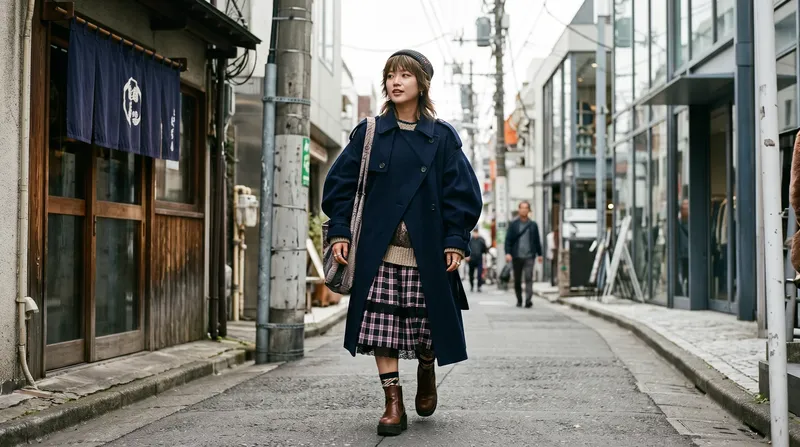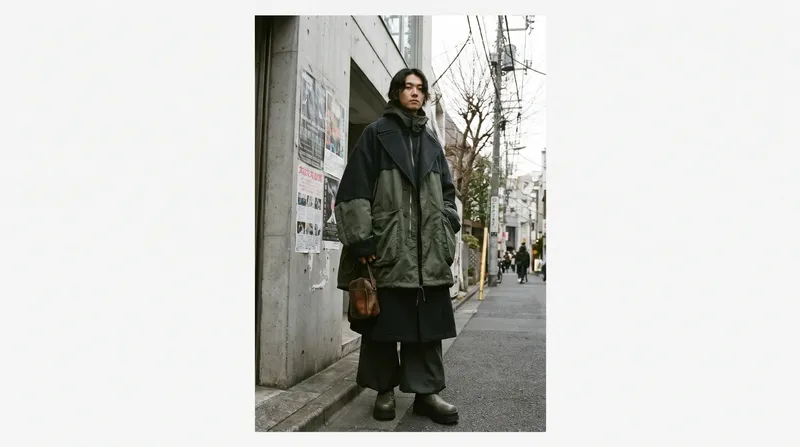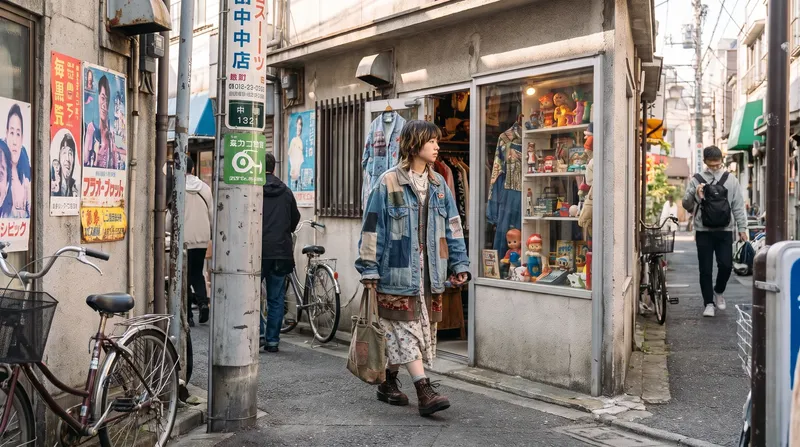
Secure exclusive Japanese drops by mastering Tokyo fashion pop-up events. This guide covers how to navigate high-stakes retail dates like Gucci's Isetan Shinjuku run and limited brand collaborations.
Tokyo's highly contested pop-up retail market operates on a razor-thin window of opportunity. Whether it is a luxury house taking over a department store floor for exactly one week or a domestic label dropping a limited skincare collaboration, these physical events determine the seasonal momentum of the city's street scene. To secure high-value pieces in this environment, you cannot rely on casual browsing; you need an active, systematized approach. This guide is for style-conscious consumers, independent retail operators, and creative directors who want to systematically source limited drops in Tokyo without wasting hours in lines or overpaying on the secondary resale market. By mastering the dynamics of Tokyo fashion pop-up events, you gain access to localized, Japan-exclusive products that never reach global e-commerce channels.
To navigate this landscape successfully, one must understand how Japanese consumer culture and street level retail interact. Department store takeovers, multi-tier collaboration rollouts, and tech-integrated apparel are occurring simultaneously across major fashion hubs like Shibuya, Shinjuku, and Harajuku. Understanding the timing, entry requirements, and regional distribution mechanics is the only way to transform what looks like a chaotic rush into a repeatable, high-yield retail strategy. With retail spaces increasingly doubling as digital experiential hubs, being physically present and strategically prepared allows you to buy into subcultures before they go viral globally.
Why It Matters Right Now
The landscape of retail in Tokyo has entered a hyper-hybrid phase where legacy fashion houses, tech giants, and subcultural properties are merging. This has created a compressed trend cycle where highly sought-after items disappear from shelves in a matter of days. For example, the latest Gucci Isetan Shinjuku Pop-up, which took place from November 4 to November 10, highlights this rapid-fire retail model. The event showcased the new "Gucci Core" collection alongside the highly coveted, Japan-exclusive small size of the "Gucci NY Tote Bag." Such localized, time-sensitive product drops demonstrate how top-tier brands rely on Shinjuku's high-traffic platforms to generate scarcity and reward local collectors.
At the same time, we are seeing the boundary between high fashion, street style, and daily lifestyle items collapse entirely. Domestic Japanese labels are successfully using beloved pop-culture intellectual property to drive physical store traffic. The upcoming second collaboration from the yutori-backed cosmetics brand minum is a prime case, launching a minum x Chiikawa collab in early November that distributes limited hair care bottle sets and refills across select variety stores and specialty "Chiikawa Land" locations. To successfully navigate these retail environments, it is helpful to consult our guide on Tokyo street style collaborations and pop-ups.
Additionally, wearable technology is finally graduating from pure utility into mainstream street style. The emergence of the Ray-Ban Meta Gen 3 smart glasses, which fuse artificial intelligence with iconic frames, demonstrates how hardware is now being integrated into fashion-forward wardrobes. These trends are not isolated occurrences; they represent a coordinated shift toward highly interactive, localized, and technologically sophisticated retail events. If you are not actively planning your schedule around these launch calendars, you are missing out on the unique pieces defining the city's current look. Check out the latest updates in our Tokyo beauty and vintage style guide: November 2026 to see how these elements converge in daily street looks.
The Play: Step-by-Step
To secure limited pieces and execute a successful retail run during high-profile Tokyo fashion pop-up events, you must execute a specific series of research, positioning, and purchase actions. Use this five-step playbook to optimize your approach.
Step 1: Map the Pop-up Geography and Digital Calendars
Your first move is to build a unified schedule that maps out location coordinates, launch dates, and access requirements. The majority of high-heat Tokyo fashion pop-up events are concentrated in three main retail hubs: Shinjuku (primarily Isetan Shinjuku Main Building), Shibuya (Shibuya Parco and various select shops), and Harajuku (LaForet and neighborhood street-level spaces). You must monitor official department store press pages and brand social channels at least two weeks before your target dates. Check if the event uses a pre-entry lottery system (known as "shusen" or digital lottery) via platforms like PassMarket or LINE. Many high-demand luxury and street collaborations require you to register for a specific entry time slot days before the pop-up opens physically. Failing to secure a lottery ticket means you will not even be allowed past the floor barrier on opening day.
Step 2: Decode the Local Product Language and Marketing Copy
When evaluating pop-up announcements and skincare drops, pay close attention to the sensory onomatopoeia used in the promotional materials. As highlighted in the onomatopoeia study by Maki Sakamoto at the University of Electro-Communications, different sensory words convey vastly different tactile and performance expectations to consumers. For example, there is a distinct difference between product marketing using "shittori" (moist, rich, high-hydration) and "betabeta" (sticky or heavy). Japanese brands carefully calibrate these words to signal specific product weights and finishes. Read the Japanese product descriptions closely; a brand claiming a finish is "sarasara" (smooth and dry) or "purupuru" (bouncy, jelly-like) tells you exactly what climate and skin type the product is formulated for. Aligning your shopping list with these precise sensory cues saves you from purchasing formulations that do not match your aesthetic or skin requirements.
Step 3: Secure Your Entry Strategy and Line Up Early
If the pop-up does not employ a pre-registration lottery, it will use a first-come, first-served queue system or a morning-of lottery draw at the store entrance. For major department store drops, like those at Isetan Shinjuku or Shibuya Parco, queuing typically begins around 8:30 AM to 9:00 AM, well before the doors open at 10:00 AM. Bring your passport and a local credit card, as many exclusive pop-ups require identity verification to prevent resale abuse, and some do not accept international mobile payments. When arriving, locate the designated queue zone, which is often on the rooftop, basement entrance, or side alleyway depending on the department store. Staff members will hand out numbered tickets ("seiriken") indicating your approximate entry hour. Read our detailed advice on how to navigate Tokyo fashion pop-up events like an insider to handle these physical queue logistics smoothly.
Step 4: Verify the Product Specifications and Sizing
Once inside the event space, you must immediately locate and verify the specific items on your list. Japanese exclusive drops frequently utilize different size charts or volume packages compared to international variants. For example, the "Gucci NY Tote Bag" featured a Japan-exclusive small size optimized for Tokyo's compact urban commute and street-style proportions. In beauty, the minum and Chiikawa collaboration hair sets are packaged in specific 250mL+250g bottle sets or 320mL+320g refill sizes designed for Japanese domestic home layouts. Inspect the labels to ensure you are buying the correct configuration. If you are shopping for garments from forward-thinking local designers, such as those presented in the RIV NOBUHIKO 2027SS collection, try them on immediately. Independent Japanese labels often cut garments with a unique silhouette that fits differently than standard Western sizing.
Step 5: Document the Experience and Leverage Tech Integration
High-end pop-ups and next-generation fashion spaces are increasingly incorporating interactive technology directly into the physical experience. When attending these launches, look for integrated smart tech components, such as AR mirrors or camera integrations designed for wearable tech like the new Ray-Ban Meta glasses. Take the time to interact with these features; they often reveal hidden digital product layers, exclusive digital collectibles, or early pre-order access for upcoming collections. Record your journey to analyze the design language, merchandising setups, and crowd responses. This documentation is highly valuable if you are an industry professional studying Tokyo's visual merchandising and retail operations trends. For those looking to secure footwear alongside apparel, refer to our playbook on how to cop Tokyo street style sneakers and exclusive drops.
Real-World Example
Here is what this looks like in practice:
Consider the experience of a dedicated retail tracker during the first week of November in Tokyo. Their primary objective is to acquire the Japan-exclusive "Gucci NY Tote Bag" from the Gucci pop-up at Isetan Shinjuku, followed by securing the limited-edition minum x Chiikawa haircare bottle set for a curated beauty retail display.
Starting on November 1, our tracker monitors the Isetan Shinjuku digital portal and learns that the Gucci Core pop-up does not require a pre-entry PassMarket lottery for weekday morning access, but expects heavy traffic. On the morning of Wednesday, November 4, the tracker arrives at the designated side entrance of the Isetan Shinjuku Main Building at 8:45 AM. There are already approximately 45 people in line. Store staff distribute numbered wristbands at 9:15 AM, and our tracker receives entry number 32, scheduled for the 10:30 AM access group.
Upon entering the pop-up space on the first floor at 10:30 AM, the tracker is guided by the sales associate to the exclusive display. They successfully purchase the Japan-exclusive small-size tote bag for the standard retail price. The transaction takes 15 minutes, with the associate explaining the craftsmanship details of the collection.
By 11:30 AM, the tracker boards the Yamanote line toward Shibuya, heading directly to the local "Chiikawa Land" and neighboring variety stores to locate the minum collaboration. In contrast to the high-fashion setting of Isetan, the character haircare drop is scattered across several curated locations. The tracker visits a specialty beauty retailer in Shibuya and secures three of the TSUYA MOIST bottle sets at 4,180 JPY each, noting that the refills (3,520 JPY) are already sold out at that location. This entire run is completed by 1:00 PM, resulting in the acquisition of highly limited, region-locked fashion and beauty pieces within a single four-hour window, all executed at standard retail prices without paying secondary markup fees.
For more insight into how these launch-day dynamics fit into the broader seasonal retail calendar, read our overview of Tokyo street style November 2026: new flagships, collabs, and trends.
Caveats
While Tokyo's pop-up and collaboration scene offers access to highly exclusive products, the system carries several failure modes that can disrupt your retail runs if you are unprepared.
First, inventory is often extremely limited, and being assigned a late-stage lottery number practically guarantees that the highest-demand items will be sold out before you step onto the sales floor. Do not expect that securing a lottery ticket guarantees you can purchase the item; it only guarantees entry to the space.
Second, resale prevention policies in Tokyo are highly strict. Stores often enforce a strict limit of one exclusive item per customer and require matching names on your passport, credit card, and digital lottery registration. If your digital registration name does not match your physical identification documents, staff will deny you entry without hesitation.
Third, keep in mind that beauty and skincare collaboration items are heavy. Planning to carry multiple liters of liquid shampoo and conditioner sets around Tokyo's crowded shopping districts will exhaust you quickly. Ensure you schedule your heavy purchases toward the very end of your itinerary or rent a station coin locker before you start your run.
Action Items
- Set up a dedicated calendar tracking the major retail hubs in Shinjuku, Shibuya, and Harajuku, checking their official news releases at least ten days prior to your arrival in Tokyo.
- Register a verified Japanese mobile number or line account to ensure you can access digital lottery platforms like PassMarket, which frequently require SMS verification for high-heat fashion releases.
- Verify the exact size charts, tactile descriptions, and onomatopoeia of any limited beauty or garment drops before buying to guarantee the fit and finish match your personal style and skin requirements.
To successfully secure Tokyo's most exclusive street style pieces, you must treat the city's pop-up schedule with the same discipline and preparation as a professional buying office. Build your itinerary around confirmed launch dates, secure your entry tickets early, and always have your identification documents ready at the door.
Frequently Asked Questions
Do I need a Japanese phone number to enter fashion pop-up lotteries?
Yes, many digital lottery platforms such as PassMarket or LINE-based reservation systems require SMS verification using a domestic Japanese phone number (+81). If you are an international traveler, look for pop-ups that offer dedicated walk-up queues, or use concierge services at premium hotels to assist with registrations.
How much do the minum x Chiikawa collab products cost?
The "turlin by minum+ Chiikawa Design TSUYA MOIST" shampoo and treatment bottle set (250mL + 250g) retails for 4,180 JPY, while the eco-friendly refill packs (320mL + 320g) are priced at 3,520 JPY. These items are available starting in early November across specialty shops like Chiikawa Land and major variety stores in Japan.
Where are the most exclusive Gucci pop-up items sold in Tokyo?
Exclusive limited runs, such as the Japan-exclusive small size of the "Gucci NY Tote Bag," are typically showcased at high-profile temporary installations like the Gucci Core pop-up held at the Isetan Shinjuku Main Building. These exclusive events usually run for a very short duration, such as the one-week period from November 4 to November 10.