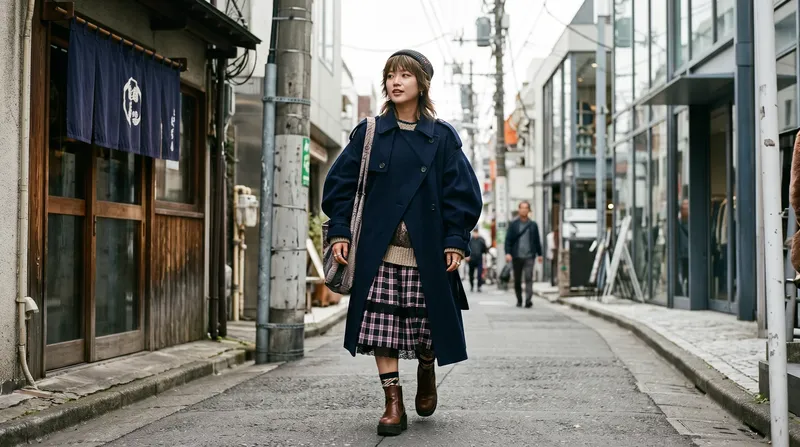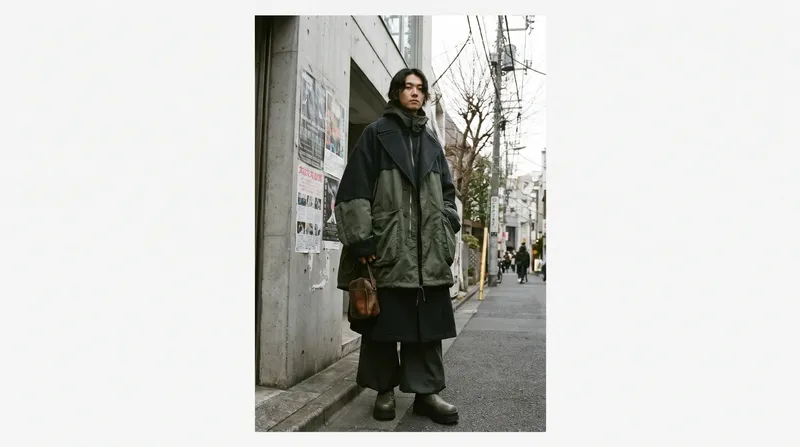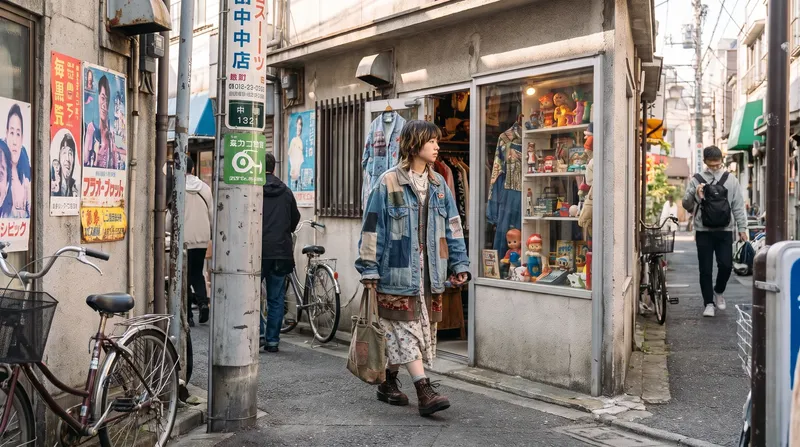
Master the competitive landscape of Tokyo fashion pop-up events by tracking exclusive drops, navigating store lottery systems, and securing rare pieces. Learn how to access high-profile collaborations and independent showcases in Harajuku and Shinjuku.
In Tokyo, the real fashion movement does not happen on the main avenues of Omotesando or Ginza; it happens in the temporary, highly curated spaces of Tokyo fashion pop-up events. These events are where independent designers, cult international brands, and limited-edition collaborations make their brief but highly impactful appearances. For serious fashion collectors, street-style enthusiasts, and retail operators, mastering the art of navigating these ephemeral retail spaces is the only way to acquire truly unique garments before they disappear into the secondary market. This guide is for dedicated fashion collectors and style-conscious travelers who want to skip the generic retail experience and secure rare pieces directly from the source.
To understand the scale of this phenomenon, look at how Tokyo's street style scene operates. Brands do not rely solely on permanent flagship stores. Instead, they use strategic, short-term installations at influential Harajuku select shops to launch their collections. Similarly, avant-garde labels choose highly targeted, limited-run pop-ups at major department stores to test the waters and build direct connections with Tokyo’s most discerning subcultures. If you do not know the unwritten rules of these releases—how to time your arrival, how to navigate the lottery systems, and how to spot genuine design innovation—you will miss out on the pieces that define the city's current aesthetic. Here is the exact playbook for identifying, accessing, and shopping Tokyo's most exclusive retail events.
Why It Matters Right Now
Tokyo’s retail ecosystem is undergoing a massive shift. The traditional model of multi-brand department stores and long-term leases is giving way to highly agile, short-term retail installations. For example, the Shanghai-born label SHUSHU/TONG recently chose to host its first-ever Japanese pop-up at the prestigious Isetan Shinjuku store, as reported by WWD Japan. This is a critical move; it shows that international brands are bypassing traditional distribution channels to launch directly via high-impact, short-term pop-ups. This specific event, showcasing their 2026-27 Autumn/Winter collection "The Invented Self," illustrates how Tokyo remains the ultimate proving ground for East Asian avant-garde design.
At the same time, localized collaborations are reaching new heights of cultural specificity. The announcement of the third collaboration between heritage brand Lacoste and the iconic Godzilla franchise—dubbed "Lacoste/Godzilla-0.0"—highlights how global brands are leveraging Japanese cultural icons to create highly sought-after, regional exclusives. According to WWD Japan, this release features exclusive illustrations by director Takashi Yamazaki, available only in select Japanese and European stores starting November 1. For collectors, the timing is urgent: these items are produced in highly limited quantities and are designed to sell out on the first day. Missing these short windows means paying double or triple on resale platforms.
Furthermore, independent domestic designers are using these pop-ups to bypass the traditional wholesale calendar. Fashionsnap reported on the launch of "SPACE," a special pop-up event by designer Riko Mori's brand Cobble du at the Harajuku select shop "00". Running from October 30 to November 6, this event not only introduces the brand's latest Autumn/Winter collection but also offers highly limited, venue-exclusive items. This direct-to-consumer, event-driven model is the new baseline for Harajuku street style. If you want to understand what the city's trendsetters will be wearing next season, you must be on the ground during these brief windows.
The Play: Step-by-Step
To successfully navigate Tokyo's competitive pop-up circuit, you cannot just show up and hope for the best. You need a systematic approach to tracking, queueing, and purchasing. Here is the operational playbook used by Tokyo’s most dedicated fashion insiders.
- Map Your Targets and Verify Digital Sources The first step is to establish a reliable tracking system. Do not rely on generic tourism boards or broad fashion calendars. Instead, monitor localized fashion media like Fashionsnap and WWD Japan daily. Once an event is announced, locate the exact venue. Tokyo's retail geography is highly specialized. For avant-garde and feminine-punk style, focus on Shinjuku’s department stores or independent Harajuku select shops. For high-street collaborations, monitor Shibuya and Omotesando. Create a dedicated digital calendar with precise start dates, end dates, and opening hours, noting that many Tokyo pop-ups run for less than a week.
- Master the Digital and Physical Lottery Systems Many high-demand Tokyo fashion pop-up events utilize a lottery system (known as chusen) to manage crowds and prevent reselling. For major drops like the Lacoste x Godzilla release, or exclusive designer launches at Harajuku select shops, check the brand's official Japanese Instagram account or website three to five days before the launch. You will often need to apply for a digital entry ticket via Line or a dedicated Google Form. If a physical lottery is held on-site, arrive exactly at the designated assembly time—never earlier, as stores will disqualify eager shoppers to avoid disturbing neighbors, and never later, as the line closes precisely on the minute.
- Decode the Venue Layout and Exclusive Item Lists Before setting foot in the pop-up, identify the "hero pieces"—the specific items that are exclusive to that location or produced in the lowest quantities. For example, at the Cobble du "SPACE" event at Harajuku's "00", focus on the limited-edition collaborative garments that will not be released online. At the SHUSHU/TONG pop-up at Isetan Shinjuku, prioritize the piece-dyed outerwear and runway samples. Knowing exactly what you want allows you to bypass the general browsing crowd and head straight to the dedicated racks or sales associates the moment you enter.
- Arrive with the Correct Payment and Identification Tokyo's independent boutiques and high-end department stores have strict transaction policies. Always carry a physical passport, as many department store pop-ups offer immediate duty-free shopping (saving you up to 10% on consumption tax). Additionally, ensure your credit card has been pre-authorized for international transactions, or carry sufficient cash. Some independent select shops in Harajuku offer discounts or exclusive gifts for cash transactions, while others are strictly cashless. Having multiple payment methods ready ensures you do not lose your spot or your items due to a payment processing error.
- Engage with Store Staff and Build Long-Term Relationships In Tokyo's fashion community, relationships are currency. When attending a pop-up like Cobble du at "00", the designer themselves is often on-site. Engage with them and the store staff respectfully. Ask about the design inspiration, the materials used, or future releases. This is not just polite; it is highly strategic. Staff frequently keep undisplayed stock in the back for engaged customers, or they may add you to a private mailing list for future, unannounced pre-sales and private events.
Real-World Example
Let us look at what this looks like in practice by analyzing a realistic scenario of a fashion collector, Kenji, navigating the Tokyo pop-up circuit over a single weekend in late autumn.
Kenji’s goal was to secure two highly sought-after items: a limited-edition Takashi Yamazaki illustrated t-shirt from the Lacoste x Godzilla-0.0 drop, and an exclusive knit piece from the Cobble du "SPACE" launch event at the Harajuku select shop "00".
On Wednesday, Kenji monitored the official release details. He noted that the Lacoste x Godzilla collection would launch on Friday, November 1, at the Lacoste Shibuya boutique, while the Cobble du event was already running at "00" in Harajuku. He filled out the digital lottery form for the Lacoste drop via their Japanese LINE account on Thursday morning and secured an entry slot for 11:30 AM on Friday.
On Friday morning, Kenji arrived at the Shibuya Lacoste store at 11:15 AM. Because he had his digital ticket ready, he was ushered into the second wave of shoppers. He immediately located the Yamazaki-designed t-shirts, selected his size, and checked out within fifteen minutes, spending approximately 12,000 yen.
Immediately after, Kenji took the short walk from Shibuya to Harajuku to visit the select shop "00". Because it was a weekday afternoon, the initial launch rush for Cobble du had subsided, but the venue-exclusive items were running low. By speaking directly with the shop staff and expressing his admiration for Riko Mori's previous collections, the sales associate retrieved a limited-run structured jacket from the stockroom that was not on the main display. Kenji completed the purchase, securing a rare piece of Harajuku history that was completely unavailable online. The entire operation took less than three hours, costing a total of 55,000 yen, and resulted in two highly exclusive pieces that would have cost double on the secondary market within a week.
Caveats
While Tokyo fashion pop-up events offer unparalleled access to unique garments, they are not without significant challenges and risks. First, the size runs at Japanese pop-ups are often highly limited. Unisex and oversized garments are common, but traditional Western sizing (especially Large and Extra Large) is frequently understocked or entirely absent, particularly for independent domestic brands like Cobble du. If you require these sizes, you must be among the first in line on the very first day.
Second, the queueing culture in Tokyo is incredibly strict. Unlike in some Western cities where informal line-saving is tolerated, Tokyo stores will actively monitor lines. If you leave the queue for any reason, you will lose your spot. Furthermore, many pop-ups do not allow fitting room use for limited-edition or delicate items to prevent damage, meaning you must know your measurements beforehand. Finally, be aware that return policies at pop-ups are almost non-existent; all sales of exclusive or limited-edition items are final, so inspect every garment thoroughly for defects before paying.
Action Items
- Set up a dedicated Instagram folder and follow the official accounts of key Tokyo select shops like "00" Harajuku, GR8, and major department stores like Isetan Shinjuku to receive instant pop-up announcements.
- Download the LINE messaging app and set up a Japanese account region if possible, as this is the primary platform used by brands like Lacoste for digital lottery entries and queue management in Tokyo.
- Create a localized digital map pinning the key retail hubs of Harajuku, Shibuya, and Shinjuku, allowing you to quickly plan efficient walking routes between overlapping pop-up events.
To truly understand the dynamic nature of Tokyo's street style, you must experience these temporary retail spaces firsthand. Keep your eyes on the local release calendars, prepare your route, and step into the city's most exclusive boutiques during your next visit.
Frequently Asked Questions
How do I find out about Tokyo fashion pop-up events before they happen?
The most reliable way to track these events is to monitor Japanese-language fashion news platforms such as Fashionsnap and WWD Japan daily. Additionally, follow the Instagram accounts of Tokyo's leading select shops, such as "00" Harajuku, GR8, and DSMG, as they routinely announce exclusive installations and brand launches three to five days before they open to the public.
Do I need to speak Japanese to shop at these pop-ups?
While basic Japanese is helpful, it is not strictly necessary. Most staff at high-profile pop-ups in Harajuku, Shibuya, and Shinjuku are accustomed to international tourists and can communicate using basic English or translation apps. However, understanding key terms like "chusen" (lottery) and "gentei" (limited edition) will greatly assist you when navigating crowded launches.
Are items purchased at Tokyo pop-ups eligible for duty-free tax refunds?
Yes, but only if the pop-up is hosted within a major department store like Isetan Shinjuku or a registered tax-free boutique. To claim the refund, which saves you up to 10% on the Japanese consumption tax, you must present your physical passport with a valid tourist entry stamp at the time of purchase or at the store's dedicated tax refund counter on the same day.
What should I do if a pop-up event requires a digital lottery ticket I cannot access?
If you cannot access a digital lottery due to regional app store restrictions or phone number verification issues, visit the store in person on the second or third day of the event. While the most exclusive first-day drops may be sold out, many brands hold back a portion of their stock for general public access later in the week, or offer pre-orders for a second production run.