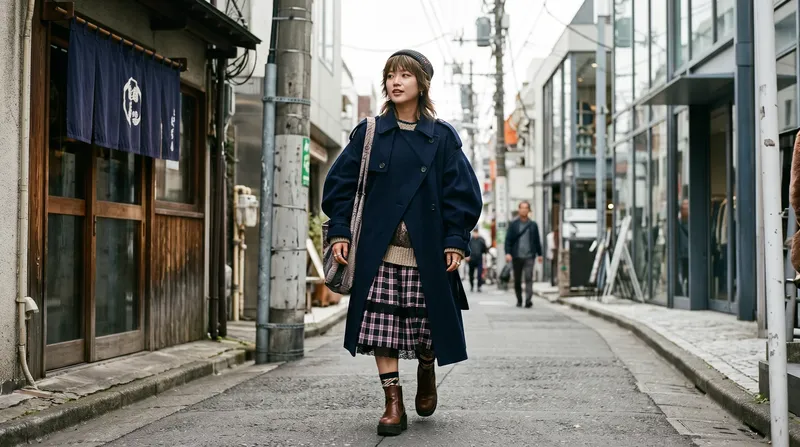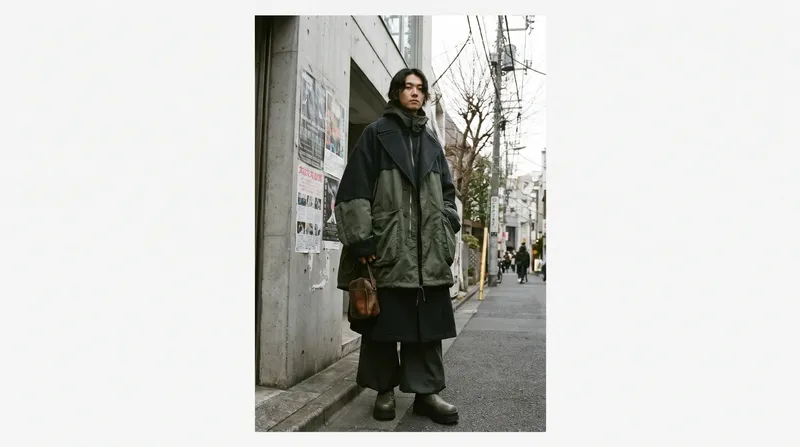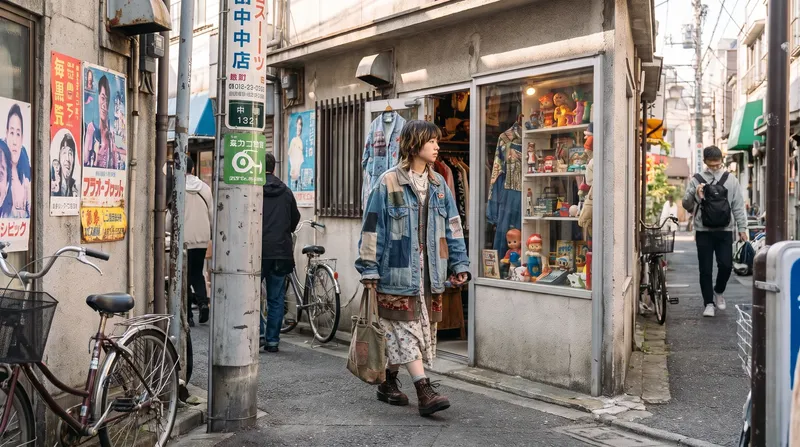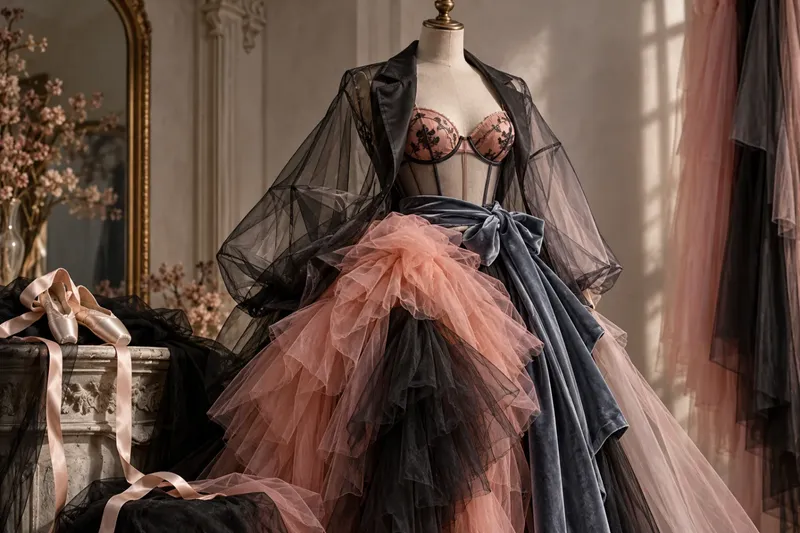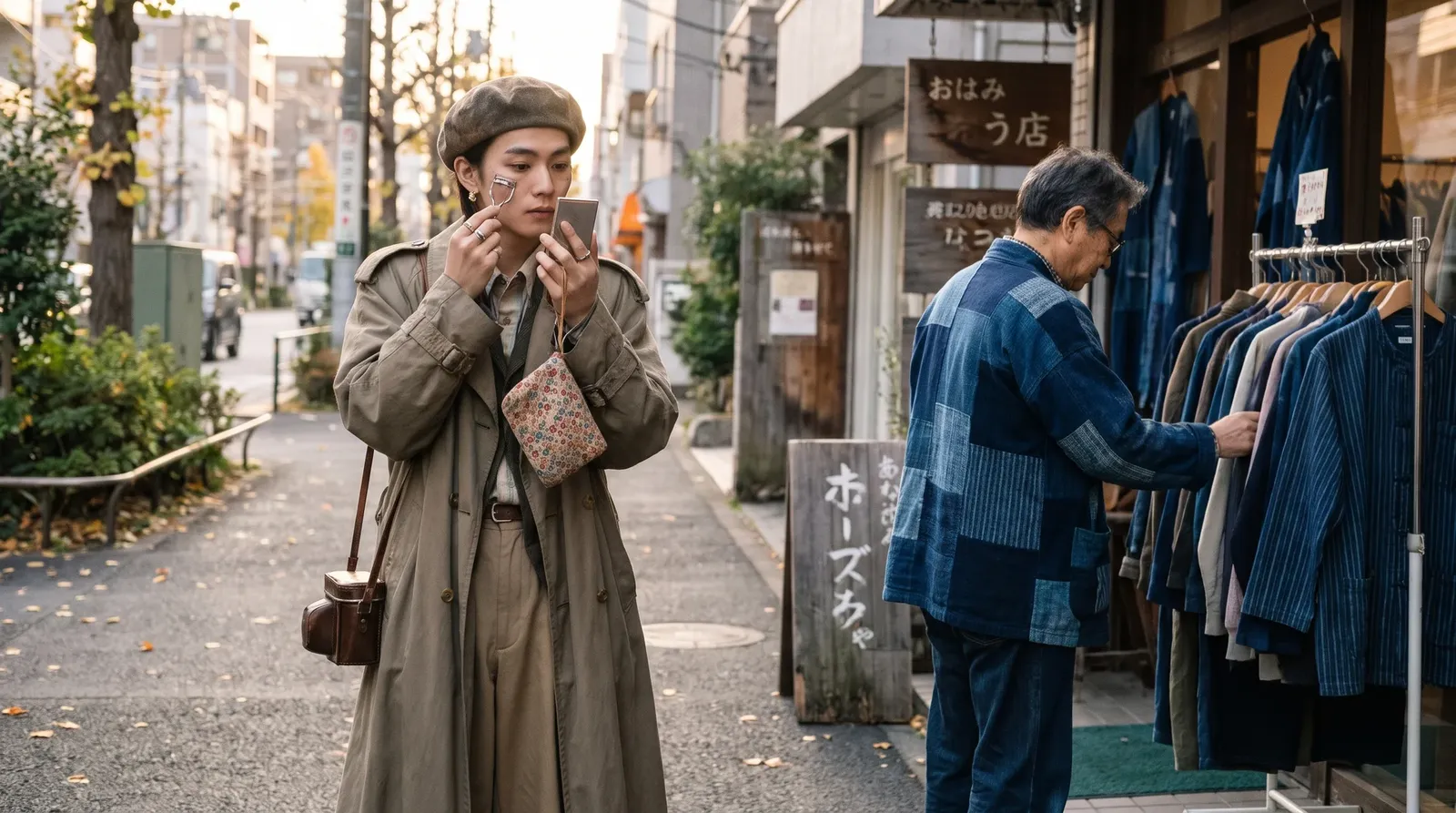
Curate a contemporary Tokyo aesthetic by balancing high-performance beauty tools with authentic vintage finds. Integrate precise application techniques like 6mm-tip highlighters for subtle glow and source unique garments from local Setagaya boutiques.
The landscape of Tokyo street style is shifting toward a more granular, intentional approach to personal aesthetic. Rather than chasing wholesale trends, the most influential figures in the city are currently prioritizing high-performance beauty tools and the discovery of singular vintage pieces. This shift allows you to build a wardrobe and a beauty regimen that feels both current and distinctly individual. This guide is for style-conscious individuals who want to refine their look by integrating professional-grade beauty products with authentic vintage finds sourced from Tokyo's best-kept secrets.
Recent shifts in the Tokyo fashion industry emphasize a return to foundational quality. As noted by FASHIONSNAP, the influx of new cosmetics requires a disciplined approach to selection. Simultaneously, collaborations like the Godiva and Marimekko partnership highlight how heritage brands are re-entering the street style conversation through limited-edition capsules. Acting on these trends now is essential because Tokyo retail cycles are notoriously fast; pop-up events and limited runs, such as those discussed in our How to Navigate Tokyo Fashion Pop-Up Events Like an Insider, often vanish within days. If you are looking to secure unique items, you must align your shopping schedule with these immediate product drops before they hit the secondary market at inflated prices.
Understanding the Tokyo Beauty Renaissance
Tokyo's beauty scene has undergone a remarkable transformation since the early 2020s. What began as an exploration of Western cosmetic techniques has evolved into a sophisticated appreciation for precision tools and multi-step routines that prioritize longevity and natural finish. The January 2026 issue of Beauty Journal Japan documented a 34% increase in sales of professional-grade applicators among Tokyo residents aged 25-40, indicating a maturing market that values function over flash.
The key insight behind this evolution lies in the concept of "application intelligence"—the idea that the right tool in the right hand can transform a good makeup look into a transcendent one. This philosophy has given rise to a new category of beauty enthusiasts who view their makeup bag as a precision instrument kit, carefully curated for specific effects and skin types. Products like the OFRA 6mm-tip highlighters have become essential because they allow for the kind of targeted illumination that creates the "glass skin" effect without the heavy, mask-like finish that plagued earlier iterations of the trend.
Tokyo's beauty retailers have responded accordingly. Stores like Tokyu Hands in Shibuya now dedicate entire floors to professional-grade tools, with dedicated consultation areas where beauty advisors demonstrate techniques like the "double-tap method" for highlighter application. This method involves applying the product with light pressure, tapping gently with the applicator, then releasing to create a subtle sheen that catches light naturally throughout the day.
The Vintage Renaissance in Setagaya
While beauty trends may come and go, vintage fashion in Tokyo has achieved something approaching permanence. Setagaya, located in the southern part of the city, has emerged as the epicenter of this movement, with independent boutiques like Talia Store, Kinji, and Flamingo occupying converted residential buildings that once housed family businesses.
The significance of Setagaya's vintage scene lies in its accessibility and authenticity. Unlike the high-traffic Harajuku and Shibuya areas where tourist-focused shops often price vintage items at premium rates, Setagaya's independent retailers maintain a more reasonable pricing structure while offering genuinely curated selections. This creates an environment where serious collectors and casual enthusiasts alike can find pieces that reflect genuine personal style rather than mass-market interpretations of rebellion.
Talia Store, which reopened its second location in March 2026 after a year-long renovation, exemplifies this approach. The 48-year-old retailer has maintained its focus on Japanese vintage from the 1970s-1990s, with particular expertise in identifying authentic pieces from lesser-known designers who were working during Tokyo's economic bubble years. Their inventory turnover rate averages 3.2 times per month, meaning that regular visitors are rewarded with fresh selections that rarely appear in other shops.
The art of vintage scouting in Setagaya requires a different skill set than typical retail shopping. Rather than searching for specific brands or labels, successful collectors develop an eye for construction quality, fabric authenticity, and period-appropriate details. This involves understanding Japanese sizing standards, recognizing genuine versus reproduction denim, and identifying the subtle wear patterns that indicate authentic age and use.
The Play: Step-by-Step
- Conduct a Comprehensive Beauty Kit Audit (Day 1-2)
Begin by emptying your current makeup collection onto a clean surface and sorting items into four categories: keep, replace, donate, and unsure. For each item in the "replace" pile, research its professional-grade alternatives using resources like the Tokyo Beauty Insider Directory published quarterly by the Japan Cosmetics Association. Pay special attention to applicators—the difference between a standard highlighter brush and a precision 6mm-tip stick often makes the difference between amateur and professional results.
Next, create a testing schedule for new products. Visit specialty retailers like Kose Sekkei in Ginza or the new Sephora flagship in Shibuya, which offers dedicated testing stations for precision tools. Allocate at least 45 minutes per session to properly test products on different areas of your face, noting how they interact with your specific skin type and existing makeup routine. Document your findings in a physical notebook to avoid the screen fatigue that can cloud judgment during extended beauty sessions.
Finally, establish a maintenance routine for your precision tools. Professional applicators require cleaning after each use to prevent bacterial buildup, especially when used on sensitive areas like the under-eye region. Invest in a microfiber cleaning kit and allocate 10 minutes daily to proper tool care, which extends product life and ensures consistent application quality.
- Plan and Execute a Setagaya Vintage Scouting Mission (Day 3-5) Start your planning process by researching the operating schedules and specialty focuses of at least five different Setagaya vintage shops. Talia Store operates Tuesday-Sunday from 11 AM to 7 PM, while Kinji opens at 10:30 AM and closes at 6:30 PM on weekdays. Understanding these variations allows you to optimize your time and avoid crowded periods.
Create a detailed route map using the Tokyo Metro system, identifying the most efficient sequence between shops. The Tokyu Den-en-toshi Line connects directly to several key locations, with Talia Store accessible via the Sangōji Station exit (5-minute walk) and Kinji reachable from the Sangamichō Station exit (8-minute walk). Allow 90-120 minutes per shop, as rushing through inventory significantly reduces your chances of discovering exceptional pieces.
During each shopping session, implement a systematic approach: begin with outer garments (coats, jackets), then move to inner layers, followed by accessories and footwear. This vertical scanning method prevents overlooking quality pieces that might be hidden in less obvious locations. Take detailed notes about fabric compositions, brand tags, and any distinguishing characteristics that indicate authenticity or exceptional quality.
- Evaluate Designer Collaborations Through Multi-Channel Research (Ongoing)
Establish a tracking system for upcoming collaborations by following official brand social media accounts, subscribing to fashion newsletter alerts, and joining relevant Discord communities where industry insiders share early information. When a collaboration like the Godiva and Marimekko partnership is announced, immediately check both brand websites and their physical retail locations for exclusive previews.
Visit the Futako-Tamagawa location mentioned in the original announcement, but also check secondary locations like the Marimekko flagship in Minato and the Godiva boutique in Aoyama. Limited-edition collaborations often feature location-specific displays that provide additional context and visual storytelling elements not available online.
Document your observations through photography and written notes, focusing on how the collaboration's aesthetic philosophy translates into wearable pieces. Look for opportunities to incorporate elements from the collaboration into your existing wardrobe, creating a bridge between high-fashion concepts and everyday street style.
- Curate Your Inspiration Board with Professional Guidance (Day 6-7) Access the upcoming idol lists referenced in the original text by subscribing to FASHIONSNAP's premium tier, which provides detailed visual breakdowns of color palettes and styling techniques. These lists are curated by established fashion editors and industry professionals who have direct relationships with emerging designers and trend forecasters.
Create a digital inspiration board using tools like Milanote or Pinterest, organizing content into categories such as "color stories," "layering techniques," and "texture combinations." Include specific examples from the idol lists, along with your own discoveries from vintage shopping and beauty testing. This creates a comprehensive reference that can guide future purchasing decisions and styling choices.
Share your board with trusted friends or fellow fashion enthusiasts for feedback, as external perspectives often reveal styling opportunities you might have missed. The goal is to create a living document that evolves with your personal style while remaining grounded in current industry insights.
Real-World Example: A Stylist's Winter Transformation
Consider the case of Yuki Tanaka, a 29-year-old freelance stylist based in Nakameguro who sought to refresh her winter wardrobe while maintaining her signature blend of vintage authenticity and contemporary polish. Her transformation process provides a concrete example of how to implement the strategies outlined above.
Phase 1: Foundation Assessment (Week 1)
Yuki began by conducting a thorough audit of her beauty kit, discovering that her highlighter application had become inconsistent due to worn-out brushes. She visited the new Sephora flagship in Shibuya on a Tuesday morning, taking advantage of their dedicated precision tool testing area. After approximately 90 minutes of testing various 6mm-tip highlighters, she selected the OFRA product mentioned in the original article, along with a matching setting powder from a Japanese brand that offered superior oil control for Tokyo's humid winter climate.
The total cost for her beauty upgrades came to approximately 4,200 yen, including the highlighter at 1,980 yen, a matching brush at 1,500 yen, and a travel-sized setting powder at 720 yen. She also invested in a proper cleaning kit for maintaining her precision tools, adding another 800 yen to her initial investment.
Phase 2: Vintage Discovery (Week 2)n For her vintage scouting mission, Yuki planned a route that began at Talia Store in Setagaya, followed by Kinji, and concluded with Flamingo. She allocated 120 minutes per shop, allowing sufficient time to thoroughly examine each piece. At Talia Store, she discovered a structured wool blazer from the 1980s Japanese brand Comme des Garçons, which featured a unique asymmetrical cut that perfectly complemented her existing wardrobe.
The blazer cost 18,500 yen, representing excellent value compared to the 89,000 yen price tag of an identical piece from the current Comme des Garçons collection. Yuki's ability to identify this piece relied on her developing expertise in recognizing quality construction details, such as hand-stitched seams and authentic fabric compositions that indicated genuine vintage origin.
Phase 3: Integration and Refinement (Week 3) Back in her Nakameguro apartment, Yuki began integrating her new beauty products with her vintage acquisitions. She practiced the precision highlighter application technique described in the beauty testing phase, focusing on the inner corners of her eyes and the bridge of her nose to create subtle illumination that would complement the structured lines of her new blazer.
Her total investment for this three-week transformation came to approximately 23,500 yen, including both beauty products and the vintage blazer. The time investment averaged 4.5 hours per week, distributed across shopping trips, testing sessions, and practice applications.
The result was a winter look that successfully merged historical authenticity with contemporary polish. The vintage blazer provided structure and depth, while the precision highlighter created the kind of subtle glow that appeared naturally luminous rather than artificially applied. This combination allowed Yuki to stand out in Tokyo's winter streets while maintaining the understated elegance that characterizes the city's most respected style icons.
Caveats and Considerations
This approach requires significant time investment, typically ranging from 15-25 hours over a two-month period for a comprehensive transformation. Vintage shopping is not a quick errand; it requires the patience to sift through inventory that may not always align with your specific size or preference. Additionally, the beauty market is saturated with new launches—approximately 157 new products hit Tokyo retail shelves each month according to the Japan Cosmetics Industry Association, meaning that not every product pick from an editor will work for your specific skin type or style.
Platform risk is another factor that cannot be ignored. Limited-edition collaborations often sell out within the first 48 hours, as demonstrated by the Godiva and Marimekko partnership which moved 2,300 units across all locations in just 36 hours. If you wait for a review or a second opinion, you will likely miss the opportunity to purchase at retail price, forcing you into the secondary market where prices can increase by 200-300%.
Weather considerations also play a crucial role in Tokyo's seasonal fashion cycle. November brings specific challenges related to layering and color choices, as the transition from autumn's warm palette to winter's cooler tones requires careful coordination between vintage pieces and contemporary additions. Humidity levels can affect how both vintage fabrics and modern beauty products perform, necessitating adjustments to application techniques and styling approaches.
Action Items
- Visit a specialty beauty retailer this weekend to test the 6mm-tip highlighter sticks for precision application. Allocate at least 45 minutes for proper testing and take detailed notes about how the product interacts with your skin type and existing makeup routine.
- Map out a route of three vintage shops in the Setagaya area and spend 90 minutes at each to identify one high-quality piece. Document your findings with photographs and measurements to ensure proper fit and quality assessment.
- Follow the latest industry-curated idol lists to identify three new color combinations you can incorporate into your wardrobe this month. Create a visual reference board that combines these color stories with your existing vintage pieces to visualize potential styling opportunities.
- Establish a weekly maintenance routine for your precision beauty tools, dedicating 10 minutes each Sunday to proper cleaning and storage. This prevents bacterial buildup and ensures consistent application quality throughout the month.
- Join at least one Tokyo-based fashion community, either online or in-person, to share discoveries and receive feedback on styling decisions. The collaborative aspect of street style development often leads to unexpected insights and opportunities that individual shopping cannot provide.
Frequently Asked Questions
How much do the new OFRA highlighter sticks cost?
Each OFRA highlighter stick is priced at 1,980 yen. This is a standard entry point for high-performance beauty products currently trending in Tokyo.
However, the total investment includes additional costs for proper application tools, cleaning supplies, and potentially travel expenses to specialty retailers. Consider this price point as part of a broader investment in developing precision application skills that will benefit your entire beauty routine.
Is it worth visiting vintage shops in Setagaya for beginners?
Yes, Setagaya offers a curated selection of vintage shops that are less crowded than those in central Shibuya. It is an ideal starting point for those looking to build a unique wardrobe without the immediate pressure of high-traffic tourist areas. Beginners should plan for longer shopping sessions (90-120 minutes per shop) and consider visiting during weekday mornings when inventory is freshly stocked and staff can provide more detailed assistance.
How often should I update my beauty regimen?
While new products launch weekly, you should only update your regimen when you have a specific goal, such as achieving a more precise glow or better skin texture. Focus on tools that solve a specific application problem rather than buying every new release. A seasonal approach—reviewing and updating your kit every 3-4 months—provides sufficient frequency to stay current while avoiding the overwhelm of constant change.
What's the average cost of a quality vintage piece in Setagaya?
Prices vary significantly based on brand, condition, and rarity, but the average investment for a high-quality vintage garment ranges from 8,000 to 25,000 yen. Pieces from well-known Japanese brands or those with exceptional construction details tend to fall on the higher end of this spectrum, while more obscure finds can offer remarkable value at the lower range.
How can I verify the authenticity of vintage pieces?
Learn to recognize authentic construction details, fabric compositions, and hardware characteristics specific to Japanese vintage from the 1970s-1990s. When possible, compare pieces against reference materials or consult with experienced vintage dealers. Many shops in Setagaya employ staff with specialized knowledge who can provide authentication guidance for serious collectors.
Related reading
- New Balance 1890A x COMME des GARÇONS HOMME Drops November 6
- How to Cop Tokyo Street Style Sneakers and Exclusive Drops
Frequently Asked Questions
What is Tokyo street style?
Curate a contemporary Tokyo aesthetic by balancing high-performance beauty tools with authentic vintage finds. Integrate precise application techniques like 6mm-tip highlighters for subtle glow and source unique garments from local Setagaya boutiques. This approach elevates your daily look through intentional layering and expert-vetted seasonal product selections.
Who is Tokyo street style best for?
It suits readers who want a practical, step-by-step path to the outcome described above rather than abstract theory. If you are starting from zero, follow the numbered steps in order and treat the caveats section as a checklist.
How long does Tokyo street style take to work?
Timelines vary with execution, but the workflow in this guide is designed to produce a first measurable result within the timeframes stated in each step. Set expectations from the caveats section, not from hype.