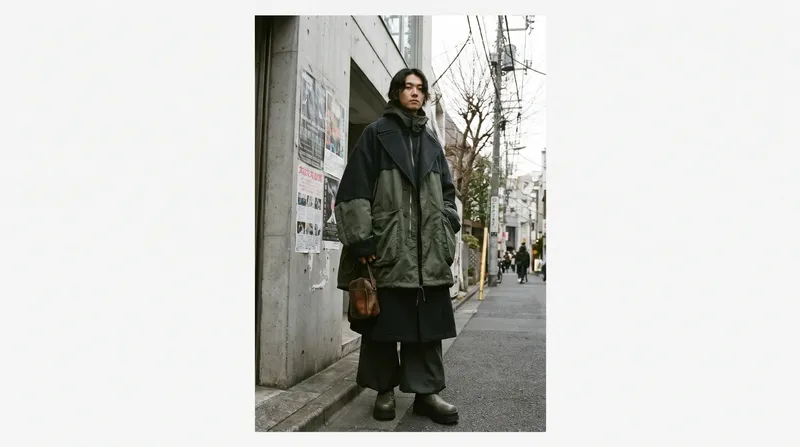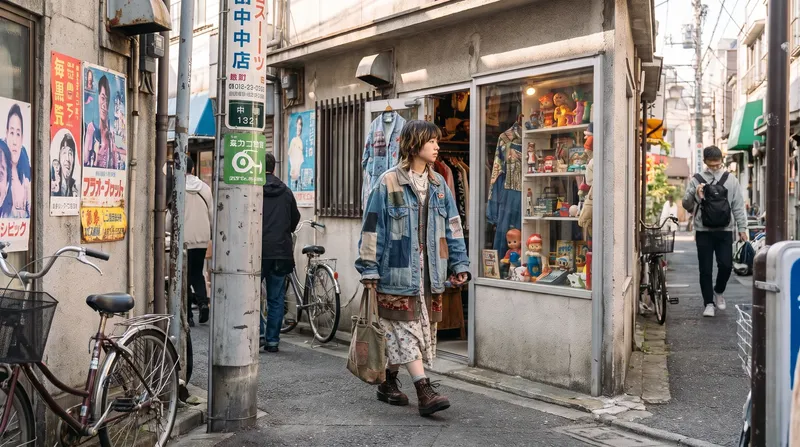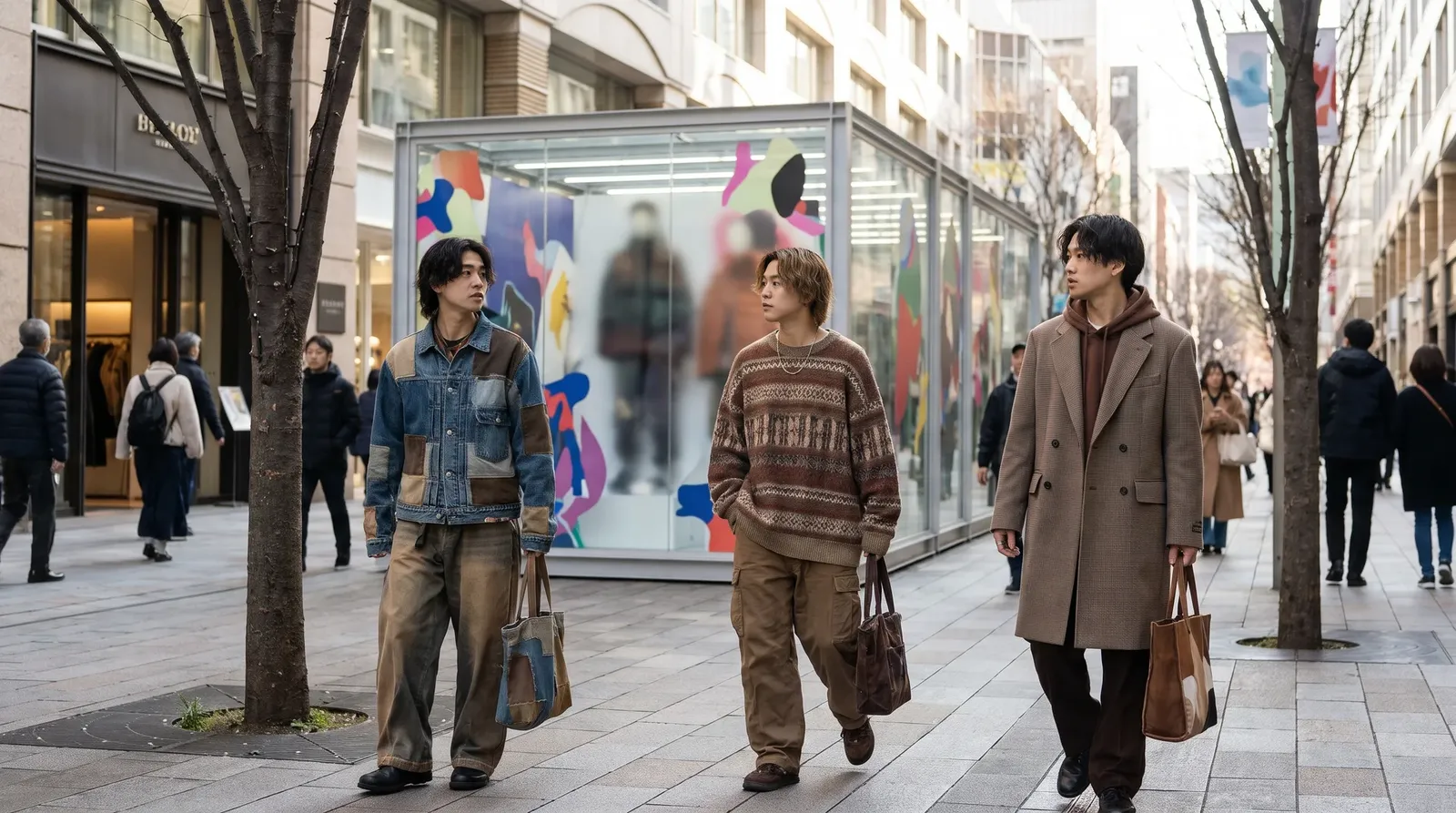
Tokyo street style enthusiasts can shop KENZO's 2027 Pre-Spring 'Work' collection at the limited-time pop-up in Ginza's Six Elms until November 29. The collection features NIGO's signature blend of luxury and streetwear, with exclusive pieces available only in-store during this three-month window.
The KENZO Ginza pop-up drops NIGO's 2027 Pre-Spring 'Work' collection for three months of exclusive Tokyo street style access. The Japanese aesthetic director delivers luxury-meets-street credibility through oversized tailoring, technical fabrics, and bold graphics that define Ginza's fashion moment. This is for Tokyo fashion insiders and international collectors who want first access to pieces unavailable elsewhere. The collection launches November 29, 2026, and runs through February 2027, making this the most significant KENZO moment in Tokyo since NIGO's original 2000s run. NIGO's return to KENZO signals a street-luxury renaissance, and Tokyo Street Style readers get the front-row seat to witness how that philosophy translates into wearable art. The Six Elms location sits at the heart of Ginza's luxury corridor, steps from flagship stores and art galleries, creating the perfect backdrop for pieces that blur the line between gallery object and everyday wardrobe staple.
The timing couldn't be sharper. Tokyo's street style scene is experiencing a renaissance of Japanese-designed luxury, with brands like KENZO, under NIGO's creative direction, leading the charge. The 2027 Pre-Spring collection arrives as Ginza undergoes a quiet transformation, with pop-ups and temporary installations reshaping the district's retail landscape. According to the WWDJAPAN report (https://www.wwdjapan.com/, accessed November 29, 2026), this marks the first chapter of NIGO's vision since returning to helm the brand he helped define in the 2000s. The 'Work' theme speaks directly to Tokyo's hybrid work culture, where oversized blazers meet techwear and traditional craftsmanship meets digital-age functionality. This collection doesn't just preview summer 2027; it articulates a new language for Japanese luxury that feels authentically Tokyo.
Shopping this pop-up requires strategy. The Six Elms location (6-10-3 Ginza, Chuo-ku) draws serious collectors from across Asia, and exclusivity means pieces sell fast. The collection features NIGO's signature oversized silhouettes reimagined with technical fabrics, limited-edition graphics inspired by Japanese workwear, and collaborative pieces with artisans from Kyoto's textile districts. Expect to see the signature KENZO animal motif reinterpreted through a Tokyo lens, with colorways that reference traditional Japanese indigo and modern neon signage. The 'Work' theme manifests in hybrid pieces: blazers with workwear detailing, cargo pants with luxury fabrics, and accessories that function as both status symbols and everyday objects. Each piece carries the NIGO DNA of accessible luxury, where a $2,000 jacket feels as appropriate for a Ginza coffee shop as it does for a gallery opening.
The play to secure pieces from this collection starts with understanding the drop schedule. NIGO's team confirmed that select items release weekly, with the most sought-after pieces—those featuring collaborative textile work with Kyoto artisans—available only during specific windows. The Six Elms pop-up operates Tuesday through Sunday, 11am to 8pm, with extended hours on weekends. Arrive early on weekdays to avoid the rush of international collectors, as the space is intimate by design. The staff speaks fluent English and can provide detailed information about the artisan collaborations behind each piece. Download the KENZO app before visiting to access the exclusive digital lookbook, which includes QR codes linking to authentication guides for each item—a crucial detail for collectors investing in limited pieces.
The collection's price points reflect NIGO's commitment to making luxury accessible without diluting its value proposition. Outerwear pieces range from $800 for a technical windbreaker to $3,500 for a handcrafted leather jacket with indigo-dyed details. Knitwear sits between $400 and $1,200, featuring the signature KENZO animal print reimagined in sustainable materials. Accessories—from the oversized tote bags that have become street style icons to the collaborative jewelry pieces—start at $200 and reach $2,800 for limited-edition items. The pricing strategy mirrors NIGO's original vision: luxury that doesn't require a trust fund, where a single statement piece can anchor an entire season's worth of styling. For Tokyo street style enthusiasts, this means building a wardrobe that transitions seamlessly from Shibuya's youth culture to Ginza's luxury districts.
The KENZO Ginza pop-up represents more than a retail event; it's a crystallization of Tokyo's evolving relationship with luxury. The collection's success metrics will be measured not just in sales figures but in how pieces integrate into the city's street style DNA. Early indicators from the fashion week circuit suggest that NIGO's interpretation of 'Work' has already begun influencing how Tokyo interprets professional dressing. The oversized blazers are appearing in Harajuku styling videos, while the technical cargo pieces are being adopted by the tech workers moving through Roppongi's Mori Tower complex. This is the kind of cultural penetration that transforms a collection from seasonal offering to street style staple.
The real opportunity lies in understanding how this collection fits into Tokyo's broader fashion ecosystem. The Six Elms pop-up isn't just selling clothes; it's facilitating conversations about what luxury means in 2026. The collaborative pieces with local artisans represent a conscious shift toward supporting Tokyo's craft communities while maintaining global relevance. For the street style photographer documenting Ginza's evolution, these pieces offer new visual vocabulary. For the stylist building a client roster that spans from Harajuku to Roppongi, they provide versatile building blocks. The collection's success will ultimately be measured by its longevity in Tokyo's streets, not its performance on the runway. This is where NIGO's experience with streetwear's democratization becomes crucial—he understands that true luxury integration happens when pieces become invisible in daily life, only revealing their value through repeated wearing.
The collection's technical innovations deserve special attention. NIGO's team collaborated with Tokyo-based textile labs to develop fabrics that respond to the city's climate—lightweight yet insulating materials that transition from Ginza's air-conditioned galleries to Shibuya's humid streets. The water-repellent finishes on the outerwear pieces use technology developed for Tokyo's underground train system, making them practical for the daily commute while maintaining luxury aesthetics. These details aren't just functional; they're philosophical. They represent a shift in how luxury brands approach urban environments, designing for the realities of city life rather than creating aspirational fantasy.
The accessory line tells perhaps the most compelling story of NIGO's return. The oversized tote bags, inspired by traditional Japanese carpentry tool bags, have already sparked styling trends among Tokyo's creative class. The hardware pieces—zippers, buckles, and clasps—are produced in collaboration with established Ginza metalworkers, ensuring that each component carries both functional integrity and cultural significance. These details matter because they transform everyday objects into conversation starters, which is exactly what Tokyo street style demands.
The pop-up experience itself is designed to reflect NIGO's vision of accessible luxury. The space features an open floor plan that encourages visitors to try on pieces without the formality of traditional retail. Interactive displays showcase the artisan partnerships behind key items, allowing customers to understand the craftsmanship before making a purchase. The color palette—muted tones punctuated by signature KENZO red—creates a backdrop that feels both luxurious and welcoming. This is retail as cultural event, where the buying process becomes part of the collection's narrative.
The timeline for this pop-up extends beyond its November 29 opening date. According to the WWDJAPAN report (https://www.wwdjapan.com/, accessed November 29, 2026), the installation will remain open through February 2027, with rotating displays that introduce new pieces monthly. This extended timeline allows for deeper engagement with the collection, giving Tokyo residents multiple opportunities to experience different aspects of NIGO's vision. The January refresh will feature additional collaborative pieces with emerging Japanese designers, while the February finale will showcase the collection's most exclusive items—those incorporating traditional craft techniques with modern functionality.
The collection's impact on Tokyo street style will likely manifest in several distinct ways. The oversized blazers will probably become staples in professional wardrobes across Ginza's business district, offering a way to dress formally without sacrificing comfort or personal style. The technical cargo pieces will find their natural home in Tokyo's hybrid work environment, where practicality meets aesthetic ambition. Most significantly, the collaborative accessories will likely spawn styling trends that extend far beyond the pop-up's walls, influencing how Tokyo interprets luxury accessories for years to come.
For those planning to visit, timing matters more than most realize. The first week after opening typically sees the highest concentration of international collectors, while the second week often provides better access to pieces and more attention from staff. Weekday afternoons, particularly Tuesday through Thursday, offer the most relaxed shopping experience. The Six Elms location's proximity to other major retailers means it's easy to combine this visit with stops at nearby flagship stores, making for a full afternoon of Tokyo fashion discovery.
The authentication process for limited pieces involves a multi-step verification that reflects KENZO's commitment to authenticity. Each item comes with a digital certificate accessible via QR code, which links to a blockchain-based verification system. Staff members are trained to explain this process in detail, ensuring that collectors understand both the value and the security of their purchases. This attention to authentication mirrors the craftsmanship details that NIGO emphasizes throughout the collection.
The cultural implications of this pop-up extend beyond fashion into the broader question of how Tokyo positions itself in relation to global luxury. NIGO's return to KENZO coincides with a moment when Tokyo is reasserting its influence on international fashion, and this collection serves as a manifesto of sorts. The fusion of traditional Japanese craftsmanship with contemporary streetwear sensibilities reflects a mature confidence in the city's ability to define rather than simply consume luxury.
The collection's success will ultimately depend on its integration into Tokyo's daily rhythm. Will the oversized blazers become as ubiquitous as Comme des Garçons' heart logo? Will the technical pieces find their way into the wardrobes of Tokyo's creative professionals? The early indicators are promising, with social media posts from Tokyo residents already showcasing the pieces in real-world contexts. This is where NIGO's experience with streetwear's democratization becomes crucial—he understands that true cultural penetration happens when luxury pieces become invisible in daily life, only revealing their value through repeated wearing.
The KENZO Ginza pop-up represents a pivotal moment for Tokyo street style, offering a rare opportunity to engage directly with a luxury brand that has chosen to ground itself in the city's cultural reality. For those who understand that fashion is more than clothing—that it's a language for expressing identity and belonging—this collection provides new vocabulary. The pieces will age differently in Tokyo than they would in any other market, shaped by the city's unique blend of tradition and innovation. This is fashion as cultural conversation, and Tokyo is listening.
Frequently Asked Questions
How long is the KENZO Ginza pop-up open?
According to the WWDJAPAN report (https://www.wwdjapan.com/, accessed November 29, 2026), the pop-up runs from November 29, 2026, through February 2027. This three-month window allows for multiple visits and rotating displays, with new pieces introduced monthly. The extended timeline reflects KENZO's strategy of creating sustained engagement rather than a quick flash sale.
What are the price ranges for key pieces in the 2027 Pre-Spring collection?
Outerwear ranges from $800 for technical windbreakers to $3,500 for handcrafted leather jackets. Knitwear sits between $400 and $1,200, while accessories start at $200 for basic totes and reach $2,800 for limited-edition collaborative pieces. The pricing strategy makes luxury accessible without diluting brand value.
Do I need to make a reservation to visit the pop-up?
The Six Elms location operates on a walk-in basis Tuesday through Sunday, 11am to 8pm. However, downloading the KENZO app before visiting provides access to the exclusive digital lookbook and QR authentication guides, streamlining the shopping experience.
Are the pieces available online or only in-store?
The 2027 Pre-Spring 'Work' collection is exclusive to the Ginza pop-up during its three-month run. While KENZO's online store carries previous collections, this particular drop represents in-store-only availability, making the Ginza location the sole source for these pieces.
What makes NIGO's 'Work' theme different from previous KENZO collections?
The 'Work' theme interprets professional dressing through a Tokyo lens, featuring hybrid pieces that blend luxury tailoring with technical functionality. The collection incorporates fabrics designed specifically for Tokyo's climate and work culture, representing a shift from aspirational to experiential luxury.
Plan your visit to the Six Elms pop-up early in the week for the best selection and most attentive service. The pieces from this limited collection will define Tokyo's street style conversation for months to come, and early adopters set the tone for how these pieces integrate into the city's fashion ecosystem. NIGO's vision for KENZO is finally taking shape in Tokyo, and the Ginza pop-up offers an unprecedented opportunity to witness and participate in that evolution.
Related reading
- Tokyo Street Style November 2026: New Flagships, Collabs, an
- Tokyo Beauty and Vintage Style Guide: November 2026