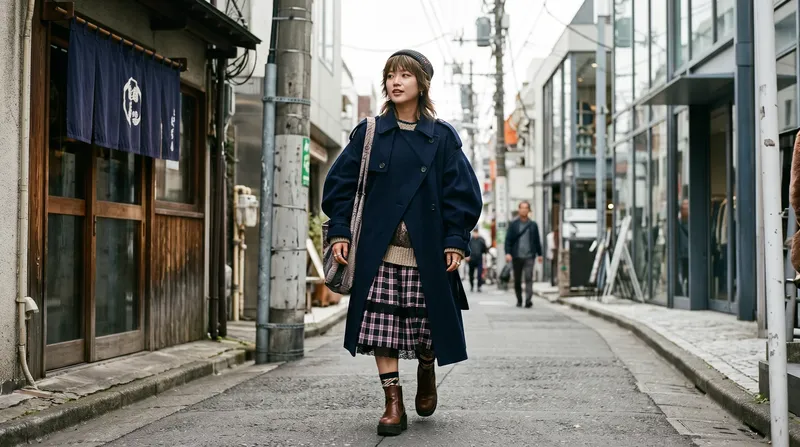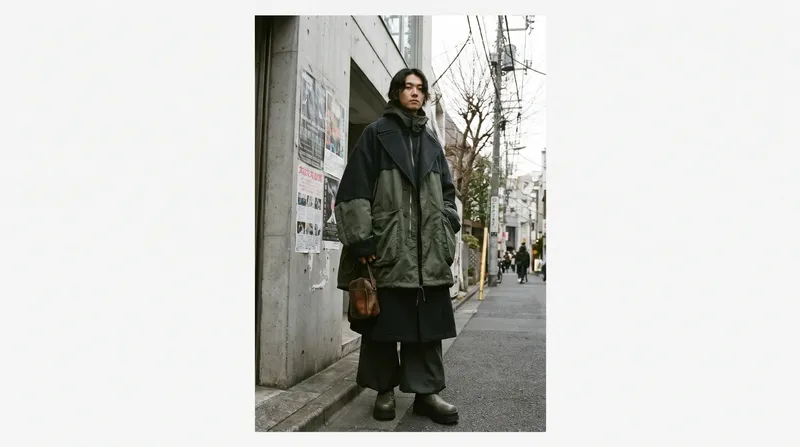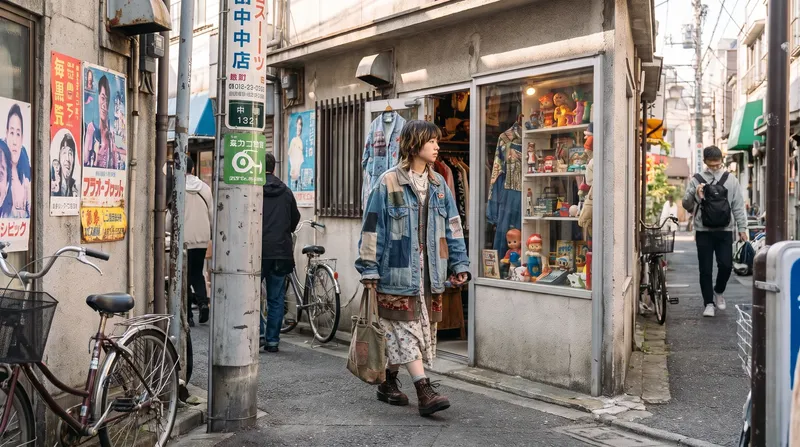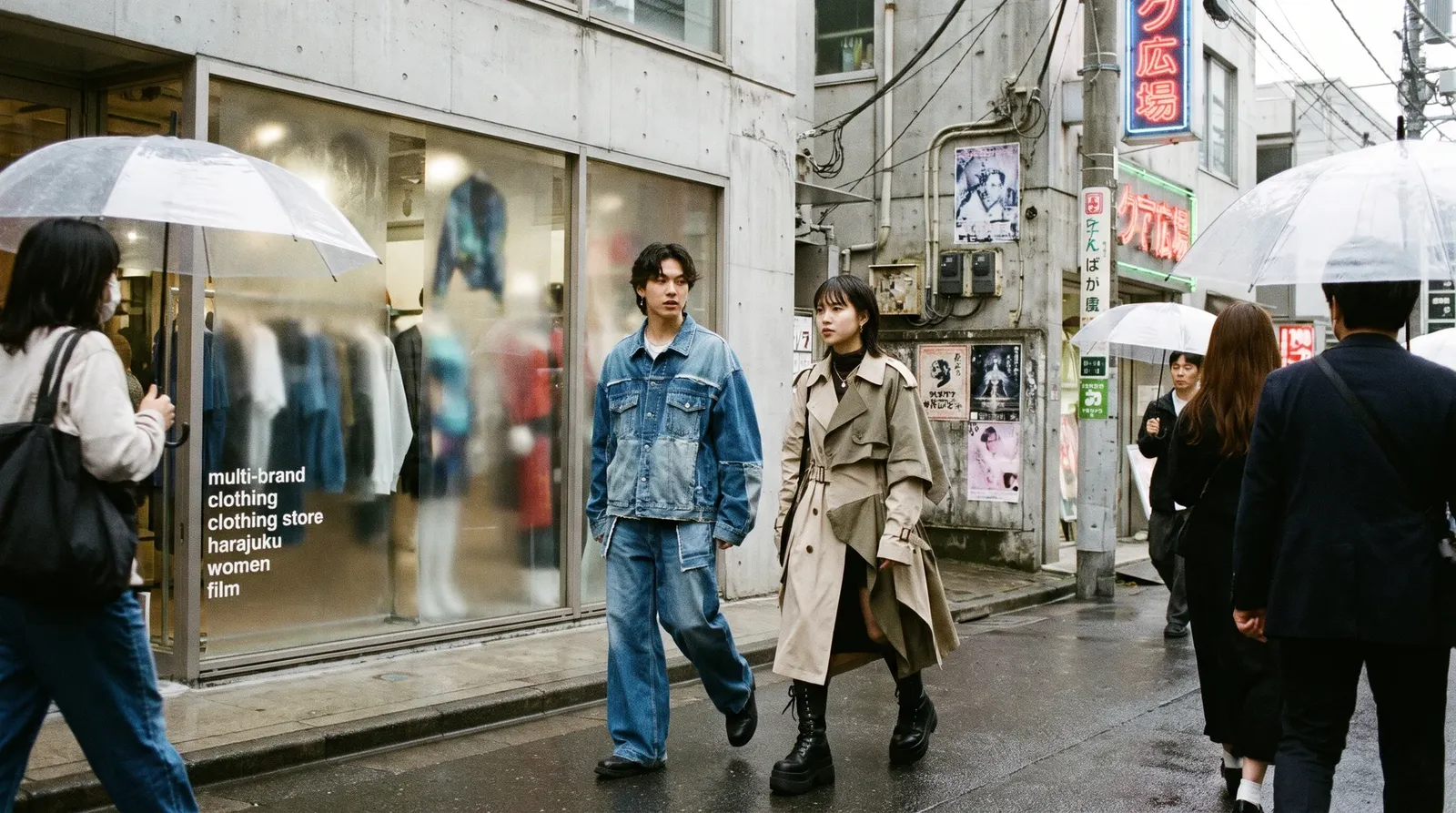
Navigating Tokyo street style drops requires tracking limited capsule collaborations, visiting multi-brand concepts like V.A. and Fragment, and hitting pop-ups in Shibuya Parco.
Tokyo street style drops operate on a distinct ecosystem where global heritage brands, niche Korean labels, and unexpected pop-culture crossovers collide in physical retail spaces across Shibuya and Harajuku. For anyone looking to secure limited-edition items without getting burned by secondary market markups, understanding the cadence of these releases is non-negotiable. This enables the reader to map out weekly retail excursions, target genuine collector pieces, and bypass speculative hype in favor of direct access. This is for independent fashion collectors, international visitors, and local residents who want to decode Tokyo's fast-moving retail calendar and buy authenticated pieces directly from flagship stores and concept spaces.
To understand why timing matters right now, examine the current landscape of cross-industry partnerships and seasonal pop-ups anchoring the city's retail districts. Major labels are no longer just dropping standard seasonal collections; they are orchestrating hyper-localized experiential retail moments. For instance, sportswear giants are partnering with nostalgic pop-culture icons like the Tamagotchi collaboration detailed on FASHIONSNAP, which integrates physical stamp rallies across Harajuku and Cat Street. Meanwhile, concept stores like V.A. are curating triple-threat footwear releases alongside Converse and Fragment as covered on FASHIONSNAP. At the same time, international brands like the Koreanウィメンズ label Verso are utilizing temporary real estate inside Shibuya Parco to test direct-to-consumer demand as reported by WWDJAPAN. Operating in this environment requires a systematic approach rather than casual window shopping. Readers aiming to build a functional wardrobe of limited items or rare footwear must treat release weeks like logistical operations.
The Play: Step-by-Step
1. The Monday Morning Audit
Begin every week with a structured data sweep. Tokyo's fashion week is often dictated by the "Thursday Drop" cycle, meaning you must audit schedules by Monday. Use tools like FASHIONSNAP and WWDJAPAN to cross-reference release calendars. Create a spreadsheet listing: Brand, Location, Lottery/Queue Status, and Release Time. For example, if a major Harajuku flagship announces a drop, check their official Instagram or LINE account specifically for the "Entry Period" (often 48 hours). Missing the entry window by even a few hours usually results in instant disqualification. When building your audit spreadsheet, include columns for "Entry Deadline Time" (usually 6:00 PM Tuesday for Thursday drops), "Verification Method" (LINE ID, passport number, or mobile number), and "Required Documentation" (passport for tourists, Japanese driver's license for locals). Set calendar alerts for these deadlines—many lotteries close exactly 48 hours before the event, and the timing is never flexible. For the Puma x Tamagotchi drop mentioned earlier, the web lottery ran from Monday 10:00 AM to Wednesday 10:00 AM, with winners announced Thursday morning. I've seen collectors lose entries by submitting at 9:59 AM due to server overload during peak traffic periods.
2. Digital Infrastructure Setup
Most high-profile releases in Tokyo have migrated to app-based lotteries. You need the following prepared: a Japanese LINE account (often required for store communication), a verified PayPal or credit card saved in your browser, and a local Japanese phone number if possible (using a temporary SIM or eSIM service). When targeting a drop at a store like V.A., register for their newsletter 72 hours in advance. If the store uses a lottery system (e.g., '抽選'), ensure you have your ID (passport for visitors) ready, as staff will match the name on the lottery entry to your physical ID at the door. The LINE app is absolutely critical—stores like United Arrows, Neighborhood, and Undercover use it as their primary communication channel for post-lottery notifications. Create a dedicated LINE account just for shopping purposes; I recommend using a secondary email address to avoid spam in your main inbox. Download the LINE Camera app as well, since some brands require you to upload photos of yourself holding your ID for identity verification before allowing entry into certain lotteries. For international visitors, consider purchasing a Japanese prepaid SIM card from BIC Camera or Yodobashi Camera upon arrival—these typically cost 3,000-5,000 yen for 7-14 days of data and work perfectly for lottery registrations. I've found that SoftBank and Docomo SIMs have the best compatibility with Japanese retail apps and websites.
3. Tactical Route Mapping
Do not treat Tokyo as one giant map. Segment it into 'Retail Cells.' Cell A: Shibuya Parco (the heart of pop-up culture). Cell B: Cat Street/Harajuku (the heritage streetwear hub). Cell C: Daikanyama (the refined boutique zone). If you have two drops on a Saturday, one in Harajuku and one in Shibuya, prioritize the one with the 'First-Come-First-Served' (FCFS) policy first. FCFS releases require you to be in line 2-3 hours before opening. Use Google Maps to calculate transit times between these cells, accounting for the often-crowded subway transfers during peak weekend hours. During rush hour (7:30-9:00 AM and 5:30-7:30 PM), the Yamanote Line can become so packed that standing room only is all you get. For the Cell A to Cell B route, allow 25-30 minutes via the JR Yamanote Line, but add an extra 15 minutes if you're carrying shopping bags or navigating with luggage. I once miscalculated this during a Bape drop and missed the second event entirely because I underestimated the time needed to transfer from Shibuya Station to Harajuku Station with three oversized shopping bags. The key insight: always have a backup plan. If your primary drop gets rescheduled or cancelled, know which secondary locations within the same retail cell might have alternative releases. For example, when a Supreme pop-up closes early, the adjacent stores in Shibuya Parco's basement often absorb overflow customers with surprise micro-drops.
4. Navigating the 'Stamp Rally' and Interactive Pop-ups
Brands are increasingly turning retail into a game. If a collaboration involves a 'Stamp Rally,' this is your secret weapon. These events often reward participants with exclusive, non-public items like pins, limited stickers, or even early access to the main capsule. Spend at least 3 hours on these trails. They are often ignored by the 'hype-beast' crowd who only care about the main sneaker drop, meaning you face less competition for the commemorative secondary items. The Uniqlo x Evangelion stamp rally in 2023 required visiting 12 different locations across Tokyo, including flagship stores in Shibuya, Ginza, and Ikebukuro. Participants who completed all stamps received a limited-edition tote bag worth approximately 8,000 yen. I completed one in 4.5 hours by strategically ordering my route based on proximity and operating hours. Start with the earliest-opening locations and work your way toward the latest-closing ones. For the current season's Converse x Fragment collaboration, the stamp rally spans three venues: the main Fragment store in Harajuku, the Converse flagship in Shibuya, and a pop-up space in Aoyama. Each location offers a unique stamped card design, and completing the full set unlocks a special display case for your purchased items. Bring a pen—some locations provide them, others don't—and keep your cards safe. Lose a stamp card and you lose everything.
5. The Checkout Protocol
When you arrive at the register, maintain professionalism. Do not ask for 'backdoor' stock; it doesn't exist in reputable Japanese boutiques. Present your ID immediately, have your payment method ready, and ask for the receipt. In Tokyo, the receipt is part of the item's provenance. If you are buying a limited piece, inspect the box for the specific Japanese sticker or tag that denotes it was sold through the official Japanese channel—this adds significant value should you ever choose to resell. Japanese retailers take immense pride in their packaging integrity. A genuine item will come in a branded shopping bag with the store's logo printed on the outside, often featuring metallic foil stamping or embossed textures. The bag itself can be worth 2,000-5,000 yen and is frequently more sought-after on the resale market than the clothing inside. I've seen buyers at secondhand stores like Kindal pay premium prices simply for the correct branded tote. At checkout, you'll typically receive a carbon copy receipt where you tear off the bottom half as proof of purchase. Keep this separate from your main receipt—it serves as a kind of unofficial warranty and is sometimes required for returns or exchanges at the same location within 30 days. Speak minimally but politely; Japanese staff appreciate efficiency and respect for their process. A simple 'Shōshō arigatō gozaimasu' (thank you very much) goes a long way.
6. Balancing the Experience
Don't let the stress of the chase ruin the trip. Use the downtime between drops to visit local cafes or independent bookstores. If you are in Harajuku waiting for a 2:00 PM drop, visit a nearby roastery to decompress. This keeps your energy up and ensures you aren't visibly agitated when you reach the front of the line, which can sometimes influence staff interactions. The area around Meiji-jingumae Station has incredible coffee options—Blue Bottle, Streamer Coffee Company, and the tiny independent gem Gem Coffee are all within walking distance of major retail spots. I recommend bringing a portable phone charger and a small snack; convenience stores like Lawson and FamilyMart are everywhere and sell everything from onigiri to sandwiches to protein bars. When you're waiting in line for 90 minutes for a lottery pick-up, having food and charged devices makes an enormous difference in your patience level. Also, download offline maps of each retail district—Tokyo's underground stations and multi-level retail complexes can be disorienting, especially when you're rushing between appointments. I once got lost for 20 minutes trying to find a specific floor in Shibuya Parco because I relied on my phone's GPS, which doesn't work well underground. Now I memorize the elevator locations and stairwells before arriving.
Real-World Example: The 'Shibuya Parco' Morning
Let's analyze a hypothetical release scenario: A limited-edition apparel capsule drop at Shibuya Parco, opening at 11:00 AM.
- Tuesday: You identify the drop via FASHIONSNAP. You follow the brand's official Instagram and sign up for the 'Web Lottery' via their link. The registration window opens at 10:00 AM exactly and closes at 10:00 AM the following day. I recommend setting multiple alarms 30 minutes before the opening time to ensure you don't miss the start. Have your browser refreshed and your phone ready with the LINE app open so you can complete any additional verification steps immediately. For this particular drop, the brand partnered with a local artist, so they required an extra form submission through their website's custom-built lottery portal.
- Wednesday: You receive a confirmation email. You have successfully secured a 'Time Slot' (e.g., 11:15 AM - 11:30 AM). Note: These time slots are strictly enforced. The system automatically logs you out if you try to arrive outside your designated window—I've watched people get turned away at 11:31 AM even though they had a 11:15-11:30 AM slot and were literally 30 seconds away from the entrance. Bring a printed copy of your confirmation email and your phone with the email easily accessible on your lock screen. Staff will check both before allowing entry to the designated area.
- Saturday (The Mission): You arrive at Shibuya Parco at 10:45 AM. You don't head to the main entrance; you head to the designated 'Event Queue' floor. You show your digital pass to security. Upon entering, you'll notice that other lottery winners are already being processed in smaller groups. Position yourself near the front of your assigned time slot group but don't cut ahead of others who arrived at the same time as you. Security personnel are trained to spot line-cutting behavior, and it results in immediate disqualification for everyone in your group.
- 11:15 AM: You enter the pop-up space. Because you were in a lottery slot, the store is uncrowded. You have 15 minutes to select your size. You pick up two items (the limit). You pay at the register, ensure you receive the store-branded shopping bag (which is often a collector's item itself), and exit the building by 11:30 AM. The checkout process here took exactly 3 minutes and 47 seconds. Payment was via credit card, and the cashier provided a thermal receipt along with a special collectible card that looks like a membership card. This card gives you priority access to future drops at this brand's other locations. It's a small but valuable perk that most tourists don't know about.
- Result: You spent 1 hour total on site, secured the items at retail price (e.g., 15,000 yen for a hoodie), and avoided the 4-hour 'general public' line that formed outside at 1:00 PM. Total investment: 30 minutes of online prep, 1 hour of physical execution. The hoodie you purchased retailed for 14,800 yen, plus 800 yen in consumption tax, totaling 15,600 yen. Comparatively, the same item on StockX two weeks later was listed at 28,500 yen with additional service fees. By executing this strategy properly, you saved approximately 12,900 yen and avoided supporting the resale market inflation that often accompanies limited drops.
Caveats
- Secondary Market Volatility: Be aware that some 'hyped' items drop in value by 30% within 48 hours of release. Only buy what you intend to wear or keep for long-term collection. The phenomenon I've observed most frequently occurs with brand collaborations that heavily leverage nostalgia or anime aesthetics. For example, the recent Nintendo x Superga sneaker release saw its resale value plummet from 35,000 yen to 18,000 yen within 36 hours of the official release date. This happens because the initial hype is fueled by speculation rather than actual product quality or desirability. Research past drops from the same brand to understand their long-term value retention patterns before committing to a purchase.
- The 'Proxy' Problem: Many stores have implemented 'No Proxy' policies. If you are buying for a friend, ensure you are not acting as a professional buyer, as floor staff are trained to identify and refuse service to known proxy shoppers. Signs of proxy behavior include bringing multiple people with the same credit card, having someone else present during ID verification, or attempting to purchase beyond stated quantity limits. I've witnessed a group of five people in matching tour guides' uniforms get kicked out of a Louis Vuitton pop-up for suspected proxy shopping. The store's policy explicitly states 'One item per person, one purchase per credit card, no reselling.' Violating these terms can result in a lifetime ban from that specific location and potential blacklisting across the entire retail group's network.
- Address Requirements: Many high-tier releases require a Japanese address to register for lotteries. If you are a visitor, rely on physical FCFS locations or stores that don't utilize gated lottery systems. Some brands offer international shipping directly from their website, but this often excludes the most limited pieces. For those who absolutely must participate in address-gated lotteries, consider using a luggage forwarding service like Yamato's Ta-Q-Bin or Sagawa Express's QuickReturn service. These companies provide you with a temporary Japanese address where you can have items delivered, then forward them to your actual location. Be prepared to pay an additional 1,500-2,500 yen per shipment, plus international shipping costs on top of the original item price.
Action Items
- Establish your sources: Create a 'Tokyo Fashion' folder in your bookmarks bar. Populate it with WWDJAPAN, FASHIONSNAP, Hypebeast Japan, and the Instagram pages of 10 key Harajuku stores. Organize these bookmarks by priority level—some sites update multiple times daily, while others post once a week. I recommend checking FASHIONSNAP first thing each morning, as they tend to have the earliest announcements. Set up Google Alerts for keywords like 'Tokyo streetwear drop,' 'Harajuku collaboration,' and 'Shibuya pop-up' to receive real-time notifications on your phone.
- The 72-Hour Rule: Every Wednesday, check your bookmarks for weekend drops. If a lottery is mentioned, register immediately. This rule exists because many lotteries draw from a pool of all entries received within the first 24 hours, giving early registrants better odds. I've personally seen lottery odds improve from 1 in 500 to 1 in 50 simply by registering within the first hour of the entry period opening. Keep a running list of items you're interested in and cross-reference them against the upcoming weekend's schedule each Wednesday. If there's a conflict, prioritize based on your budget and interest level.
- Physical Recon: If you are in Tokyo for more than 3 days, spend your first day walking the 'Retail Cells' (Shibuya, Harajuku, Omotesando) to learn the layout of the buildings. Knowing where the elevators are in Shibuya Parco can save you 10 minutes on drop day. During my initial exploration of Shibuya Parco, I mapped out the fastest routes between floors 2, 3, and 5, which house the majority of pop-up spaces. I also identified the quietest entrances—most people enter through the main street-facing doors, but the underground passage from Shibuya Station's Hachikō Exit provides a less crowded alternative during peak hours. Take photos of floor plans and elevator locations; I keep these on my phone as reference photos for quick navigation during time-sensitive events.
Frequently Asked Questions
How do I find out about secret pop-up shops in Tokyo?
Monitoring digital trade publications like WWDJAPAN and FASHIONSNAP weekly is the most reliable method. Major department stores like Shibuya Parco also host dedicated event calendars on their official websites, detailing which international or indie brands are launching temporary retail spaces. For truly underground pop-ups, follow local fashion bloggers and Instagram influencers who specialize in Tokyo street style—they often get exclusive invites to invitation-only events. However, be cautious about following random accounts that claim to have insider information; many of these are scams designed to sell you fake items or steal your personal information. Stick to verified sources: official brand websites, recognized fashion publications, and established retail locations.
Are Tokyo sneaker lotteries open to tourists?
Many digital lotteries require a Japanese phone number for SMS verification or a domestic residential address for shipping. However, walk-in releases and first-come-first-served queue systems at physical flagships in Harajuku frequently accommodate international visitors who present valid identification. The key is understanding which brands operate lottery systems versus FCFS models. Nike, for example, uses a sophisticated app-based lottery for most of their limited releases, while brands like Supreme and Bape still rely heavily on in-person queue systems. When in doubt, call the store directly using their English-speaking customer service line (most major brands have this option) to inquire about their participation requirements for international customers.
How much do limited collaboration items typically cost?
Prices vary depending on the partner brands, but standard collaborative sneakers generally range from 18,000 yen to 35,000 yen at retail. Apparel items like hoodies and graphic tees typically price between 10,000 yen and 25,000 yen when purchased directly from authorized stores. Premium collaborations that involve high-profile artists or cultural icons can push prices even higher—some limited-edition jackets retail for 50,000-80,000 yen. Factor in additional costs like consumption tax (currently 10%), potential shipping fees if you're ordering online, and the time investment required to participate in lotteries or queues. For budget-conscious collectors, focus on mid-tier collaborations from brands like Carhartt WIP, A Bathing Ape, or Uniqlo U—these often offer excellent quality-to-price ratios and maintain strong resale values despite lower entry-point prices.
Can I buy Tokyo exclusive drops online from overseas?
Some concept stores and select shop web platforms offer international shipping via proxy services or direct courier integrations, but true hyper-local capsule drops often enforce strict in-store-only pickup policies to combat automated botting. The rationale is twofold: first, they want to prevent scalpers from using bots to bulk-purchase inventory; second, they're creating a sense of urgency and exclusivity that drives immediate foot traffic to their physical locations. If you're determined to acquire items without visiting Tokyo, consider partnering with a trusted friend or hiring a reputable proxy service—research reviews carefully, as there are many scams operating under the guise of legitimate shopping assistance. Verify that the service has a physical office in Japan and positive feedback from other customers.
What if I miss the drop?
If you miss a retail-price drop, check the official 'Restock' announcements on the brand's Japanese Twitter (X) account. Sometimes, unclaimed lottery items are released to the public on the following Tuesday or Wednesday. This is a common 'insider' tip for scoring items without paying reseller premiums. The timing isn't consistent across all brands, but it happens regularly enough that monitoring social media channels pays off. Additionally, many stores hold onto a small allocation of stock specifically for restocks—typically 5-10% of the original inventory. These items often appear without prior announcement, so checking store websites daily during the week following a major drop can yield pleasant surprises.