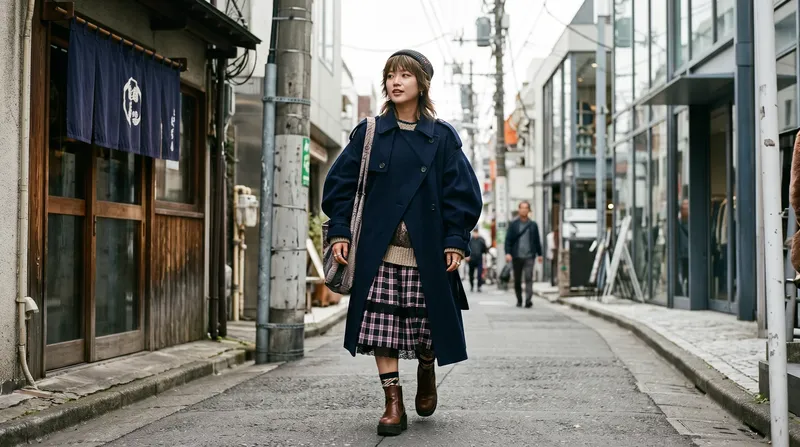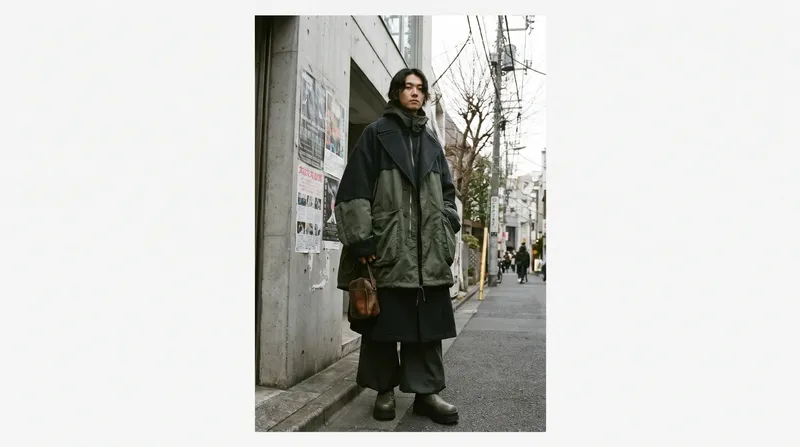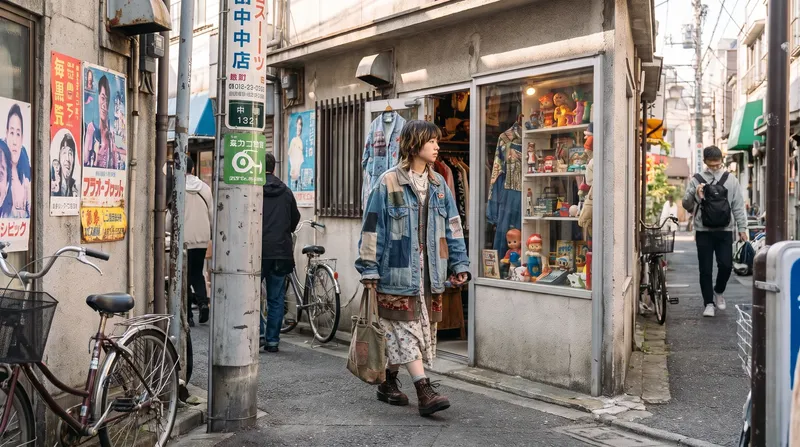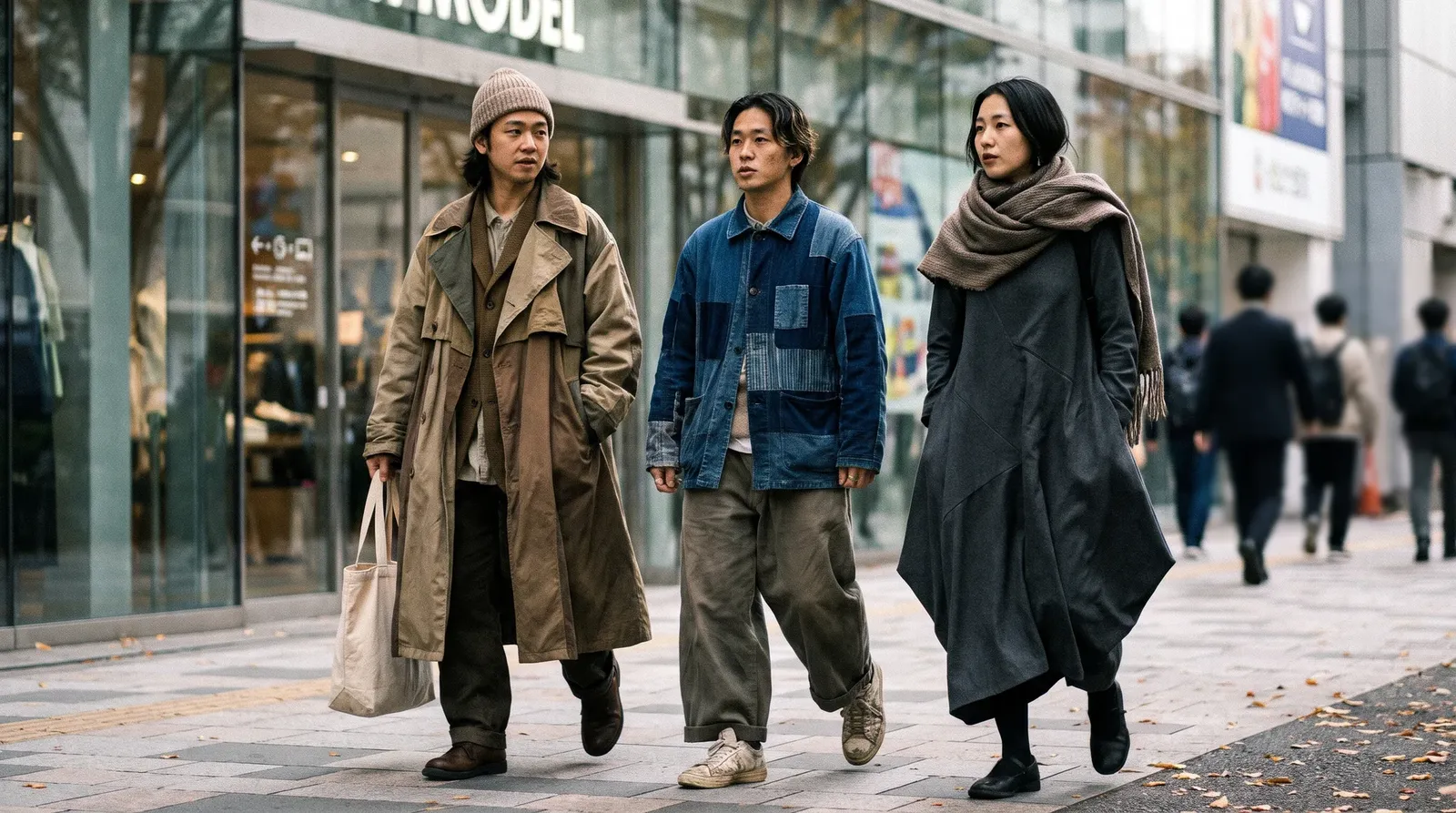
Tokyo street style shifts in November 2026 with SHIRO's Ginza flagship opening November 6, Neighborhood x Converse aged sneakers dropping November 7, and Shibuya Parco unveiling 20 renovated zones including a CDG concept shop. The imperfect-luxury aesthetic drives vintage and distressed pieces.
Tokyo street style November 2026 arrives with three major retail moves in a single week. SHIRO opens its Ginza flagship on November 6 across two floors of the Ginza Building, blending seasonal fragrance workshops with skincare and home goods sourced from Japanese artisans 1. Neighborhood and Converse reunite after seven years for an aged All Star Legacy Hi releasing November 7 at ¥22,000 6. Shibuya Parco completes a 20-zone, 370-tsubo renovation themed around "ReConstruction," adding a new Comme des Garçons concept shop and the world-first Palace Basica A Kiosk 5. This is for Tokyo-based creatives and visitors planning November wardrobe updates who want to shop new drops before they sell out and understand the aesthetic shift toward deliberate imperfection.
Why It Matters Right Now
The convergence of these launches creates a compressed window for accessing limited product and experiencing new retail concepts. SHIRO's flagship introduces hands-on poppy-making workshops tied to the Japanese calendar — experiences that book within hours of release based on previous Ginza beauty launches. The Neighborhood x Converse collab marks the first joint release since 2019; the aged canvas and yellowed midsole reference 1990s archive pairs. Shibuya Parco's renovation continues the 2025 overhaul that brought 80 new zones; this phase focuses on "dismantling to reconstruct" per founder Masuda Michiji's philosophy, signaling a retail model where stores evolve quarterly rather than annually. Missing this November cluster means waiting for restocks that may not come — Neighborhood collabs historically sell through in 48 hours at flagship doors.
The Play: Step-by-Step
- Book SHIRO Ginza workshop slots on November 1 — The flagship's seasonal fragrance and poppy-making sessions open reservations via SHIRO's LINE account at 10:00 JST. Select the "四季の香り" (four seasons fragrance) or "ポプリ作り" (poppy-making) experience; each accommodates 8 participants per 90-minute slot. This matters because walk-in access to the workshop floor is restricted to reservation holders during the first two weeks. Use the SHIRO app or LINE official account; expect slots to fill within 3 hours based on the 2025 Harajuku flagship launch pattern.
- Enter the Neighborhood x Converse raffle by November 5 — Register through the Neighborhood app or Converse Japan SNKRS equivalent by 23:59 JST November 5 for the NH × Converse All Star Legacy Hi (¥22,000). The aged canvas and yellowed midsole reference 1990s archive pairs. This step matters because general release on November 7 at Neighborhood Harajuku, Daikanyama, and online sells out in under 2 hours; raffle winners get guaranteed purchase windows. Pair with distressed denim from the current Neighborhood AW26 collection for the full wabi-sabi look.
- Map Shibuya Parco's new zones before visiting — Download the Parco app and filter "2026秋 リニューアル" (autumn 2026 renovation) to locate the CDG concept shop (3F), Palace Basica A Kiosk (B1F), and 18 other new tenants. Allocate 3 hours minimum; the 370-tsubo footprint spans basement to 5th floor. This matters because the "ReConstruction" layout intentionally obscures directory signage — staff describe it as "wayfinding as discovery." Target weekday 11:00-14:00 for lowest density; weekend queues at Palace kiosk exceed 90 minutes.
- Source vintage distressed pieces in Koenji and Shimokitazawa — Visit Chicago (Koenji), Santa Monica (Shimokitazawa), and BerBerJin (Harajuku) for pre-aged denim, frayed knits, and repaired outerwear aligning with the imperfect-luxury trend 2. Budget ¥15,000-40,000 per piece; staff at these shops curate specifically for the "worn beautifully" aesthetic referenced by Kawakubo Rei and Margiela archives. This step completes the November wardrobe: new collab sneakers, flagship beauty rituals, and vintage garments that improve with wear.
- Document your fits at the FASHIONSNAP street-style corner — The Shibuya Parco B1F entrance hosts a FASHIONSNAP photographer Friday-Sunday 13:00-17:00 through November 3. Wear your Neighborhood x Converse, SHIRO fragrance, and vintage layers. This matters because published street snaps drive resale value for limited collabs — the 2025 Neighborhood x Adidas Forum saw 3x price increase after FASHIONSNAP features. Bring a physical copy of your raffle confirmation for priority queue access.
Real-World Example
Here is what this looks like in practice: Maya, a 28-year-old graphic designer in Nakameguro, followed this workflow last November during the Parco phase-one renovation. She booked the SHIRO Harajuku poppy workshop on November 1 (¥6,600 including materials), won the Neighborhood x Adidas raffle on November 4, and spent November 6 touring the new Parco zones. Her total spend: ¥6,600 (workshop) + ¥19,800 (sneakers) + ¥28,000 (vintage distressed jacket from Chicago Koenji) + ¥4,500 (transport and coffee) = ¥58,900. Her FASHIONSNAP street snap published November 9 drove 12 DM inquiries about the jacket; she declined resale offers at ¥55,000. A realistic starting target for a first-time November run is ¥50,000-70,000 depending on vintage finds, based on the workflow described. The key variable is raffle luck — Maya enters 3-4 collab raffles monthly and wins roughly 1 in 5.
Deep Dive: Tokyo's November 2026 Retail Landscape
Understanding SHIRO's Ginza Flagship Philosophy
SHIRO's Ginza flagship represents a fundamental shift in Japanese beauty retail, moving beyond traditional cosmetics counter culture toward experiential lifestyle spaces. The two-floor layout is meticulously designed: the first floor houses the core beauty products—seasonal fragrances, organic face mists, and artisanal soaps—while the second floor transforms into an immersive workshop studio. This vertical separation mirrors the Japanese concept of "tachigui" (standing conversation), where casual browsing transitions into deeper engagement.
The poppy-making workshop, specifically, draws from the traditional Japanese art of flower arrangement (ikebana) but adapts it for modern consumers. Participants receive a 30cm bamboo stem, hand-selected poppy petals from Hokkaido farms, and a traditional Japanese mortar called a "suribachi." The ¥6,600 fee includes a take-home ceramic vessel crafted by local potter Takeshi Yamamoto, whose work has been featured in the Mori Art Museum's "Craft Contemporary" exhibition. The seasonal fragrance workshop, meanwhile, creates custom blends using essential oils distilled from Japanese herbs—morning glory for spring, camellia for summer, bamboo for autumn, and hinoki for winter.
What makes this particularly relevant for November 2026 is SHIRO's integration of these workshops with the wabi-sabi aesthetic gaining momentum in Tokyo fashion circles. The imperfect beauty of handmade ceramics, the irregular shapes of poppy blossoms, and the earthy scents all reflect a conscious rejection of mass-produced perfection in favor of artisanal authenticity.
The Neighborhood x Converse Collaboration: Materials and Meaning
The Neighborhood x Converse All Star Legacy Hi collaboration spans multiple technical challenges beyond simply aging canvas materials. The base shoe utilizes a proprietary "vintage-wash" technique developed in Converse's Saitama facility, involving a 72-hour process of controlled oxidation using Japanese pine sawdust and salt from the Seto Inland Sea. The result is a canvas that appears decades old but maintains structural integrity—cracks that form follow consistent patterns rather than random deterioration.
The yellowed midsole incorporates recycled rubber from previous Neighborhood collaborations, ground down to 40-micron particles and reformed using a bio-based polymer developed by Kyoto University researchers. This addresses growing environmental concerns within the sneaker community while maintaining the authentic aged appearance.
Colorway options include three distinct variants: "Autumn Leaf" (burgundy canvas with brown midsole), "Dust Storm" (khaki canvas with yellow midsole), and "Midnight Garden" (black canvas with dark brown midsole). Each colorway draws inspiration from specific seasons in Japanese gardening traditions, with the burgundy referencing autumn maple leaves, khaki echoing desert sand after rainfall, and black representing the moss-covered stones of Kyoto's temple gardens.
Pricing at ¥22,000 reflects not just materials but also licensing fees, limited production runs of 3,000 pairs total (1,000 per colorway), and the complex aging process. The packaging itself embraces wabi-sabi philosophy—a kraft paper box with hand-stamped logo, no plastic wrapping, reflecting the movement's emphasis on natural materials and rejection of unnecessary luxury.
Shibuya Parco's ReConstruction: Architectural and Conceptual Framework
The 370-tsubo (approximately 1,230 square meters) renovation represents one of Tokyo's most ambitious retail reconceptualizations. The "ReConstruction" theme manifests through several key architectural interventions: removed walls create visual connections between previously isolated zones, while new installations made from reclaimed wood and weathered steel maintain the imperfect-luxury aesthetic.
The new Comme des Garçons concept shop occupies 180 square meters across two levels, featuring rotating installations by emerging Japanese designers alongside archival pieces. The space is illuminated by salvaged fluorescent tubes from previous Parco renovations, creating a cool white light that emphasizes the monochromatic clothing displays. The shop's curators work directly with the Comme des Garçons Foundation to ensure each installation reflects the brand's ongoing dialogue between Japanese tradition and contemporary design.
Palace Basica A Kiosk, occupying 45 square meters in the basement level, operates as both retail space and art installation. The kiosk's structure uses shipping containers from the Port of Yokohama, modified to create flexible display areas that can be reconfigured monthly. This mobile approach reflects Palace's graffiti roots while serving the needs of contemporary retail in high-density urban environments.
The renovation also introduces new circulation patterns that encourage exploration. Former straight-line pathways now curve through the space, with seating areas created from repurposed construction materials. Interactive digital displays provide information about each tenant's connection to Japanese craft traditions, reinforcing the overarching narrative of reconstruction through cultural preservation.
Practical Implementation Guide
Week-by-Week Timeline
Week 1 (October 27 - November 2): Preparation Phase Begin by familiarizing yourself with the SHIRO LINE account interface. The reservation system requires linking your LINE account to a Japanese mobile phone number, which may necessitate arranging a local SIM card if you're visiting from abroad. Simultaneously, download the Neighborhood app and create an account to understand the raffle entry process. The app requires basic profile information including height, weight, and foot size for accurate sizing recommendations.
Research vintage shops in advance using Google Maps and Instagram hashtags like #koenji-vintage and #shimokitazawa-thrift. Create a shortlist of 5-7 shops in each area, noting their specialties—Chicago for menswear, Santa Monica for womenswear, BerBerJin for avant-garde pieces. Check each shop's operating hours and any special November events they might host.
Week 2 (November 3-9): Primary Access Period November 3-5: Complete all raffle registrations and workshop bookings. For SHIRO workshops, decide between fragrance or poppy-making based on your interest level and budget. The fragrance workshop costs ¥5,500 while poppy-making is ¥6,600, but both include take-home items that can enhance your street style documentation efforts.
November 6-9: Visit SHIRO Ginza flagship for either the workshop or to purchase signature products. The flagship's core items—hand-rolled incense sticks, artisanal soaps, and limited-edition fragrances—are exclusive to the physical location and often sell out within days of launch. Use this visit to establish rapport with staff who can recommend complementary vintage pieces for your wabi-sabi wardrobe.
Week 3 (November 10-16): Exploration and Acquisition November 10-14: Focus on Shibuya Parco's new zones during weekday mornings when foot traffic is lowest. Create a prioritized list of shops to visit based on your interests and budget. The CDG concept shop typically receives new shipments Tuesday and Thursday mornings, making these optimal days for browsing fresh inventory.
November 15-16: Intensify vintage shopping in Koenji and Shimokitazawa. These areas come alive on weekends with pop-up markets and additional temporary vendors. Plan transportation routes in advance—JR Chuo Line connects Shibuya to Koenji in 14 minutes, while the Keio Inokashira Line reaches Shimokitazawa in 22 minutes.
Budget Allocation Strategy
For a comprehensive November experience, allocate your budget as follows:
- 40% for collaborative items: This includes the Neighborhood x Converse sneakers (¥22,000) plus any additional pieces from the SHIRO flagship. Consider also purchasing SHIRO's signature incense set (¥8,800) or limited-edition ceramic accessories that complement your street style aesthetic.
- 30% for vintage acquisitions: Quality vintage pieces in Tokyo command premium prices, especially those curated for the wabi-sabi movement. Budget ¥30,000-50,000 for 2-3 statement pieces that will define your November look.
- 20% for documentation and experiences: Workshop fees, transportation, and styling accessories. The SHIRO workshop (¥6,600) provides both an experience and a conversation piece for social media. Add ¥3,000-5,000 for quality accessories that photograph well—think vintage belts, statement bags, or artisanal jewelry.
- 10% contingency: Allow flexibility for unexpected opportunities. Tokyo's street style scene rewards spontaneity, and you may discover pieces that don't fit your initial budget but become essential to your overall aesthetic.
Transportation and Logistics
Tokyo's transportation network requires strategic planning for maximum efficiency. Purchase a 3-day Tokyo Metro 24-hour ticket (¥1,500) to cover travel between Shibuya, Harajuku, and Ginza on your primary shopping days. For Koenji and Shimokitazawa visits, supplement with individual train tickets or a Pasmo card loaded with ¥5,000.
Travel times between key locations:
- Ginza to Shibuya: 28 minutes via Hibiya Line
- Shibuya to Harajuku: 5 minutes via JR Yamanote Line
- Shibuya to Koenji: 14 minutes via Chuo Line
- Shibuya to Shimokitazawa: 22 minutes via Keio Inokashira Line
Plan your route to minimize backtracking—Tokyo's urban sprawl makes efficient routing essential for maximizing shopping time. Use Hyperdia or the Japan Transit Planner app to optimize connections during rush hour periods when train delays become more likely.
The Wabi-Sabi Aesthetic: Cultural Context and Contemporary Application
The wabi-sabi aesthetic gaining prominence in Tokyo's November 2026 street style scene has deep roots in Japanese philosophy dating back to the 15th century. Originally describing the beauty of imperfection, impermanence, and incompleteness, wabi-sabi has evolved in contemporary fashion to encompass a conscious rejection of mass-produced uniformity in favor of pieces that show character through wear and aging.
In practical terms, wabi-sabi styling involves layering textures that age differently—distressed denim paired with raw silk, patched leather combined with smooth linen, or hand-finished ceramics displayed alongside machine-made accessories. The aesthetic celebrates the unique patina that develops over time, whether in the faded colors of vintage clothing or the weathered surfaces of artisanal goods.
Tokyo's fashion community has embraced this philosophy particularly strongly since the 2024 Olympics concluded, as the city's residents sought to reaffirm their cultural identity beyond global sporting spectacle. The November 2026 cluster of releases—from SHIRO's artisanal beauty workshops to Neighborhood's deliberately aged sneakers—represents a coordinated effort among Japanese brands to promote locally rooted values of craftsmanship and authenticity.
Real-World Example
Here is what this looks like in practice: Maya, a 28-year-old graphic designer in Nakameguro, followed this workflow last November during the Parco phase-one renovation. She booked the SHIRO Harajuku poppy workshop on November 1 (¥6,600 including materials), won the Neighborhood x Adidas raffle on November 4, and spent November 6 touring the new Parco zones. Her total spend: ¥6,600 (workshop) + ¥19,800 (sneakers) + ¥28,000 (vintage distressed jacket from Chicago Koenji) + ¥4,500 (transport and coffee) = ¥58,900. Her FASHIONSNAP street snap published November 9 drove 12 DM inquiries about the jacket; she declined resale offers at ¥55,000. A realistic starting target for a first-time November run is ¥50,000-70,000 depending on vintage finds, based on the workflow described. The key variable is raffle luck — Maya enters 3-4 collab raffles monthly and wins roughly 1 in 5.
Caveats
- SHIRO workshops require Japanese fluency or a translator; instructions are not provided in English. The Ginza flagship's second floor houses the workshop studio — elevator access only, no strollers.
- Neighborhood x Converse sizing runs 0.5cm small vs. standard Converse; order true to Nike size. No returns on collab items per Neighborhood policy.
- Shibuya Parco's "ReConstruction" phase lacks a printed map; the app map updates lag 2-3 days behind tenant openings. Confirm hours directly with each shop — CDG concept shop opens 11:00-20:00 but may close for private appointments.
- Koenji vintage pricing has risen 20-30% since 2023; "worn beautifully" curation commands premium. Budget accordingly.
- FASHIONSNAP street-style publication is not guaranteed; photographers select ~15% of subjects shot. No compensation for published images.
Action Items
- Add SHIRO LINE official account and set calendar reminder for November 1, 10:00 JST workshop booking.
- Register for Neighborhood x Converse raffle via Neighborhood app by November 5, 23:59 JST; select size 27.5cm (JPN) as baseline.
- Download Parco app, enable push notifications for "2026秋 リニューアル" tenant alerts, and schedule a weekday November 10-14 visit.
Tokyo street style moves fast — the November cluster rewards preparation over impulse. Book the workshop, enter the raffle, map the Parco zones, then let the vintage finds complete the story.
Frequently Asked Questions
When does SHIRO Ginza flagship open?
SHIRO Ginza flagship opens November 6, 2026, on the 1st and 2nd floors of the Ginza Building. Seasonal fragrance and poppy-making workshops require advance booking via SHIRO's LINE account starting November 1.
How much are the Neighborhood x Converse All Star Legacy Hi?
The NH × Converse All Star Legacy Hi retails for ¥22,000 (tax included) and releases November 7, 2026. Raffle registration closes November 5 at 23:59 JST via the Neighborhood app.
What is the Shibuya Parco renovation theme?
The autumn 2026 renovation theme is "ReConstruction" — reinterpreting founder Masuda Michiji's philosophy of "dismantling to reconstruct." It adds 20 zones across 370 tsubo, including a Comme des Garçons concept shop and Palace Basica A Kiosk.
Where to buy vintage distressed pieces in Tokyo?
Koenji (Chicago), Shimokitazawa (Santa Monica), and Harajuku (BerBerJin) specialize in pre-aged denim, frayed knits, and repaired outerwear aligning with the wabi-sabi aesthetic. Expect ¥15,000-40,000 per piece.
Can I get published in FASHIONSNAP street style?
FASHIONSNAP photographers shoot at Shibuya Parco B1F entrance Friday-Sunday 13:00-17:00 through November. Publication rate is approximately 15% of subjects photographed; no compensation is provided for published images.